SUMMARY
PREVALENCE: Common
ACTIVE PERIOD: Diurnal
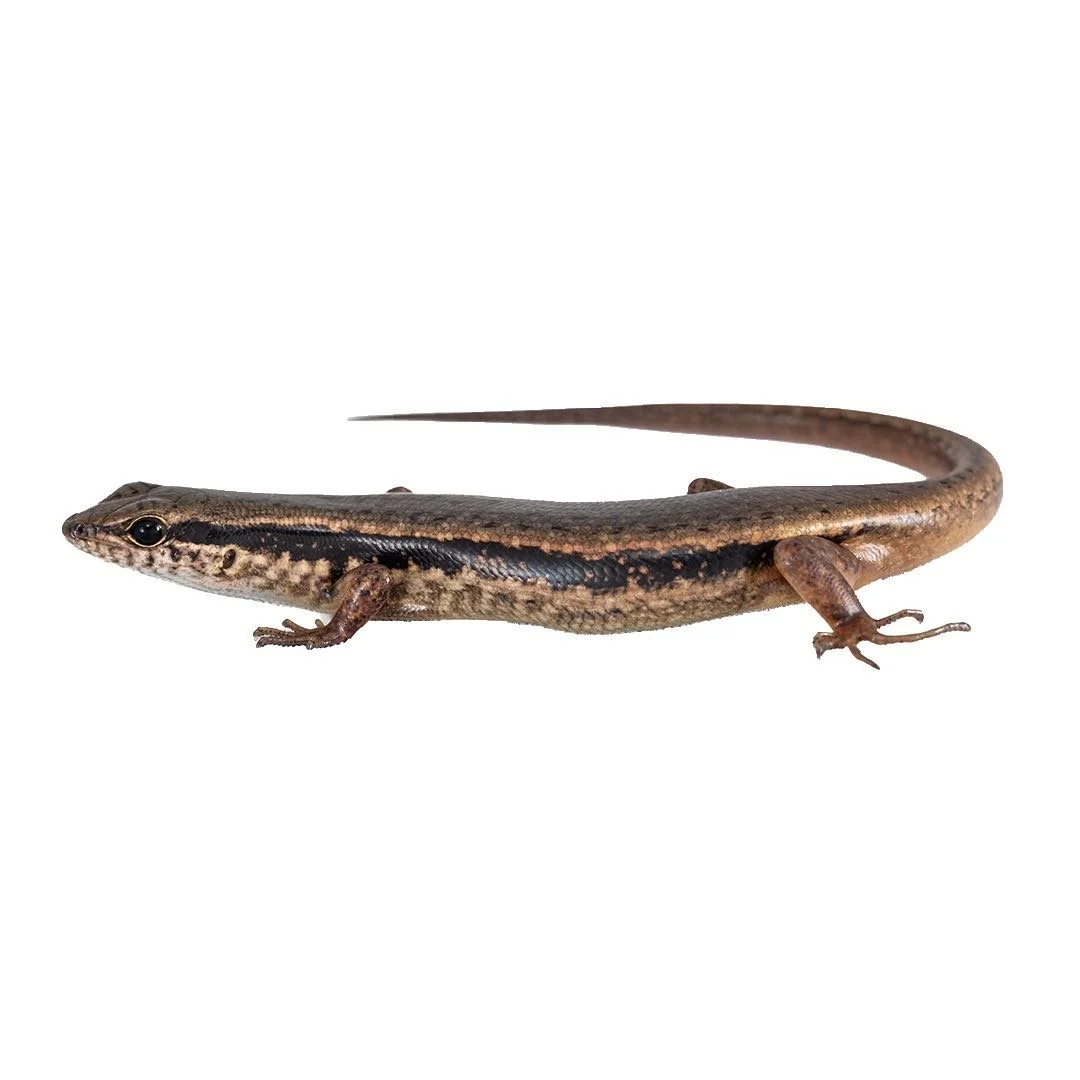
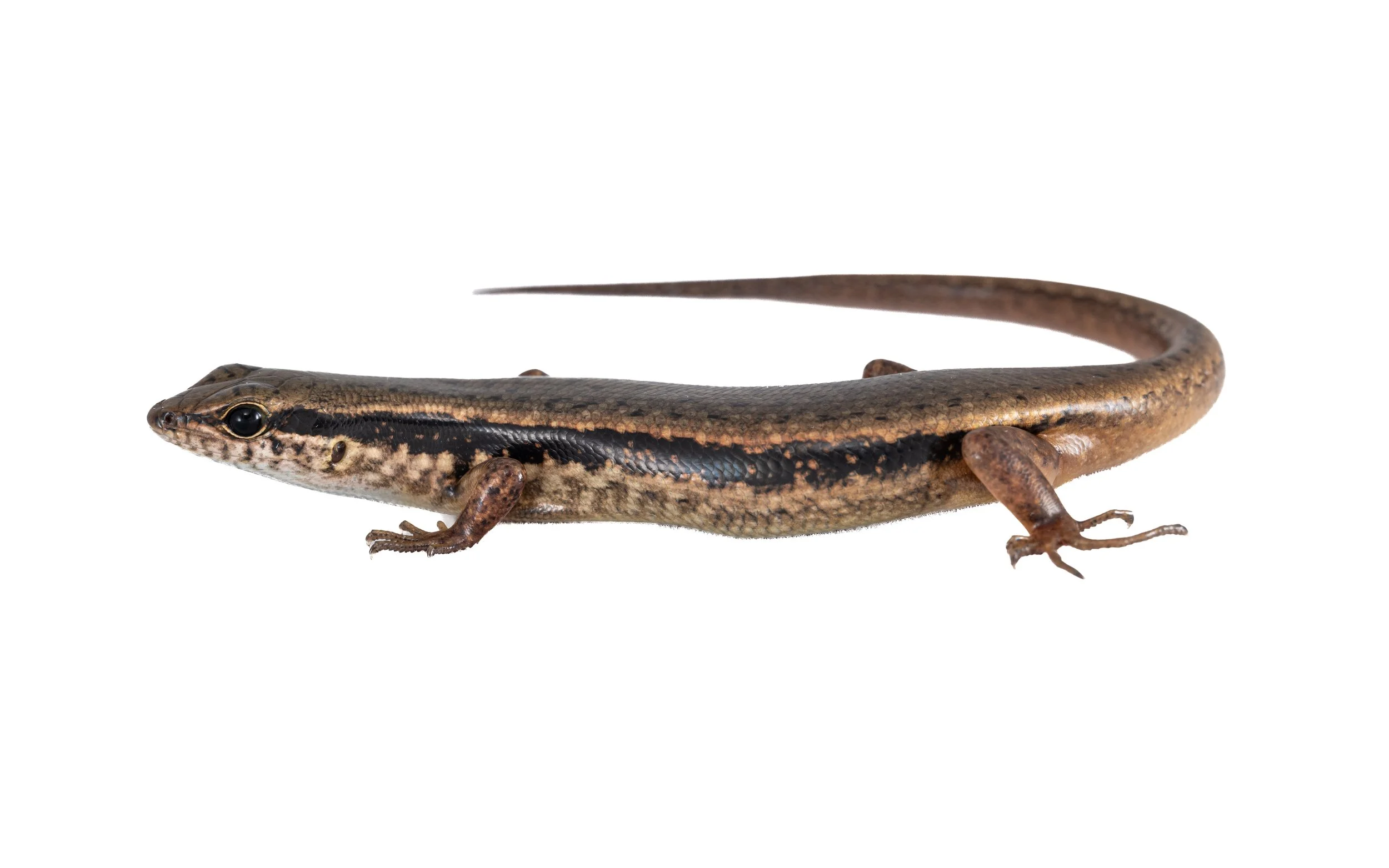
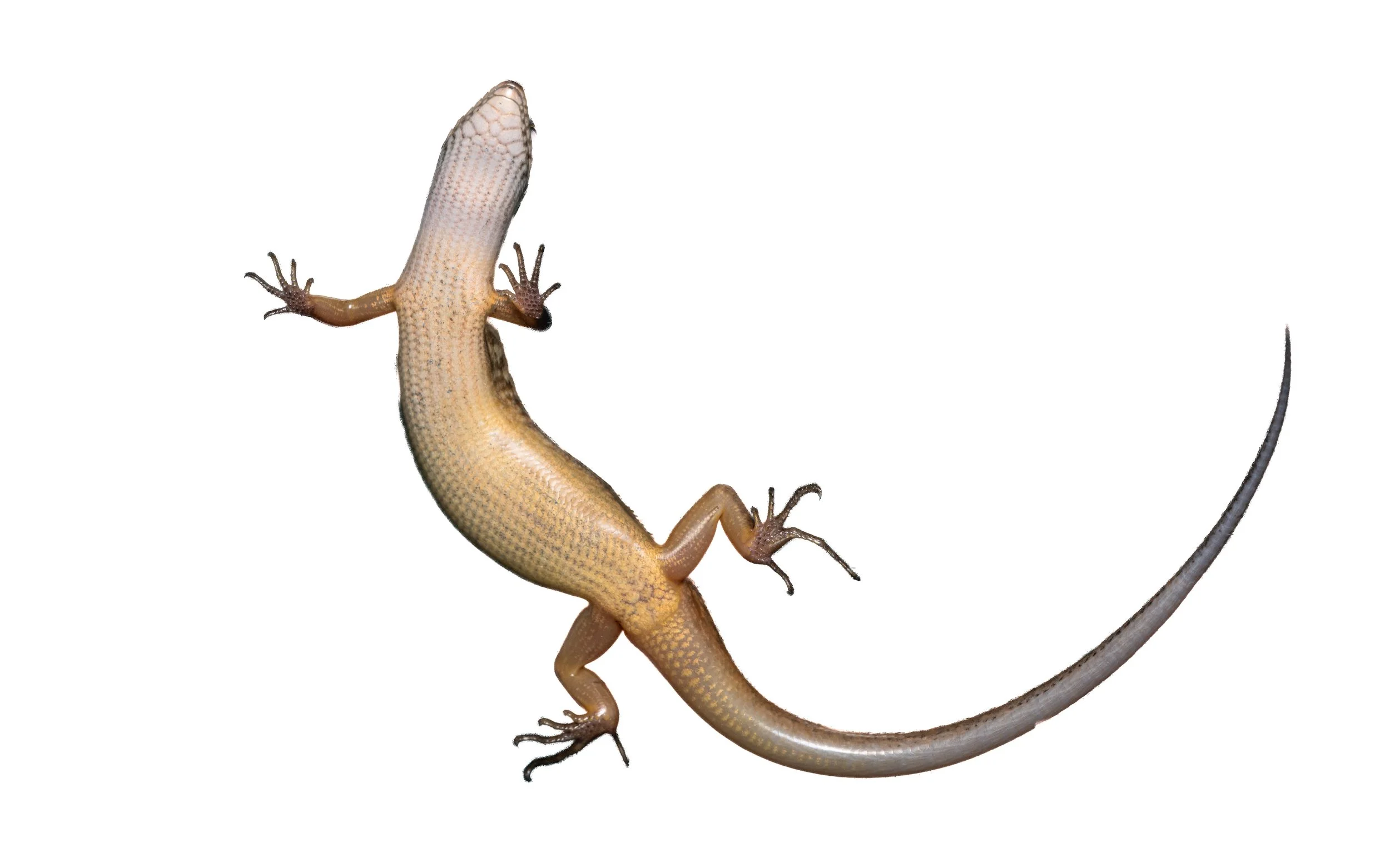
KEY ID FEATURES: Brown body with black stripe down the side, yellow belly and around the cloaca
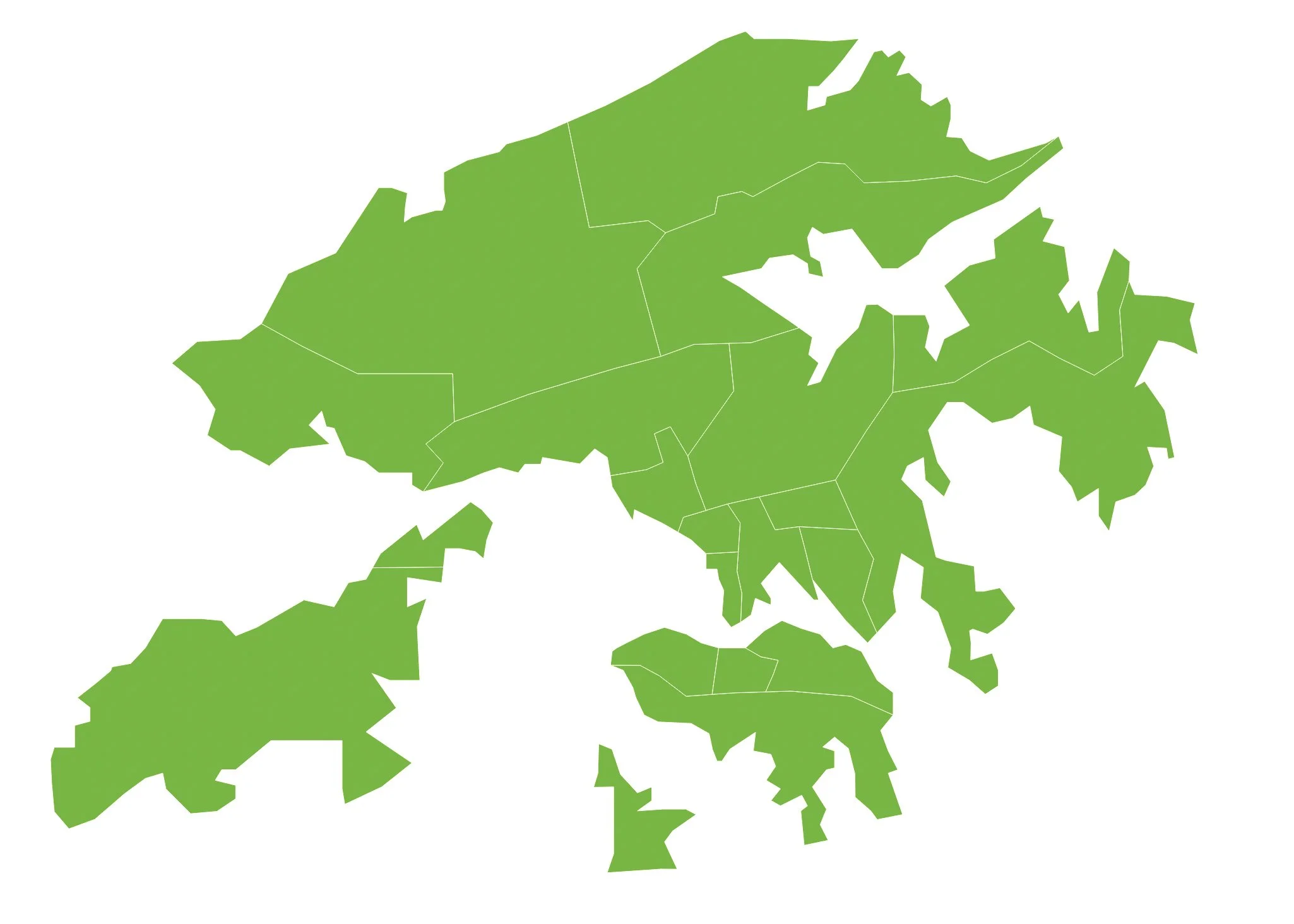
BEHAVIOR: Found in forested locations around Hong Kong at mid to high elevation
SIZE: 22cm
IUCN: LC - Least Concerned
RANGE

GALLERY
IMPORTANT: Many skinks look similar and require experience to identify. Skinks also drop their tails readily if handled which is a stressful and energy intensive issue, so great care should be taken when interacting with these lizards in Hong Kong.
DESCRIPTION
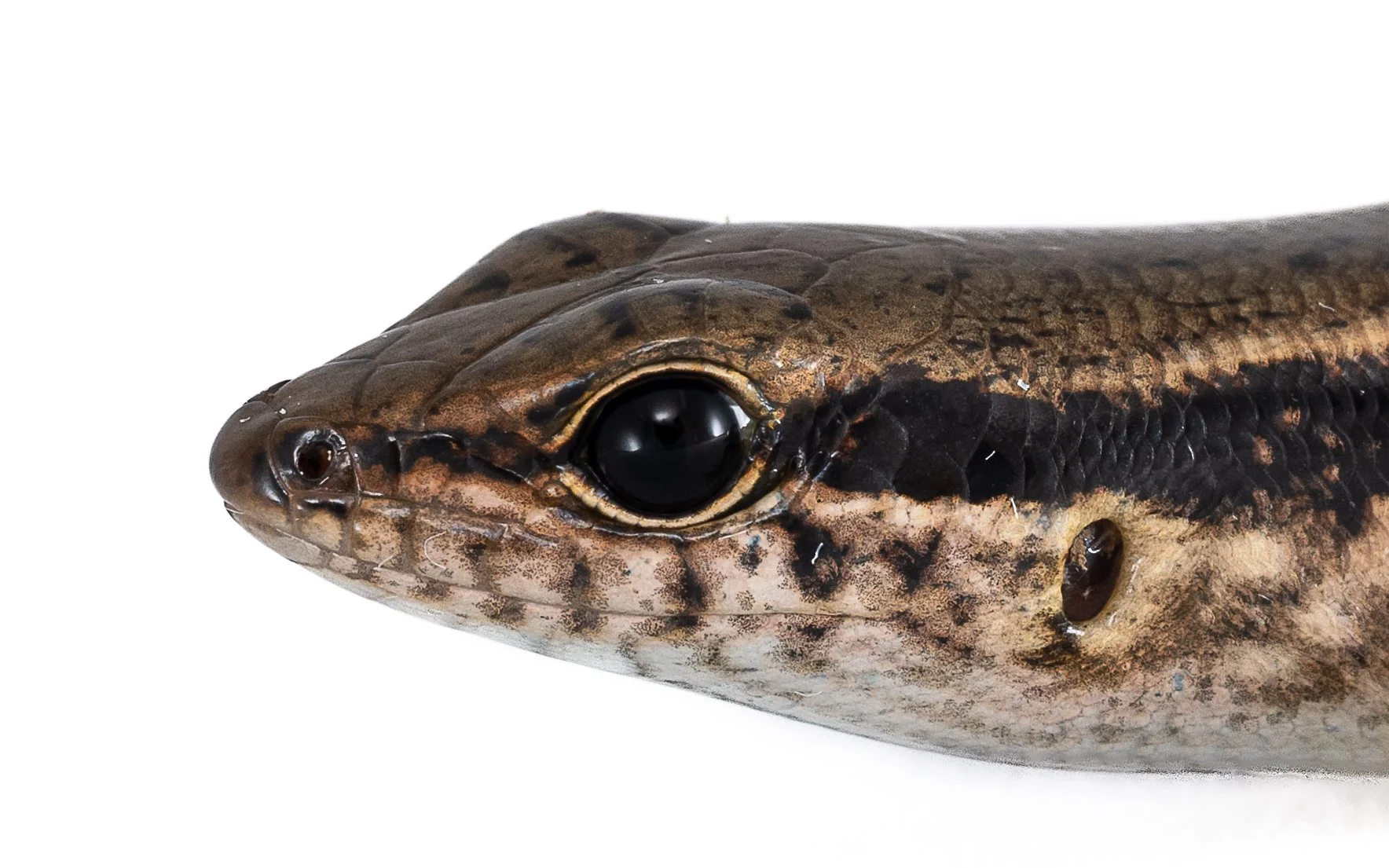
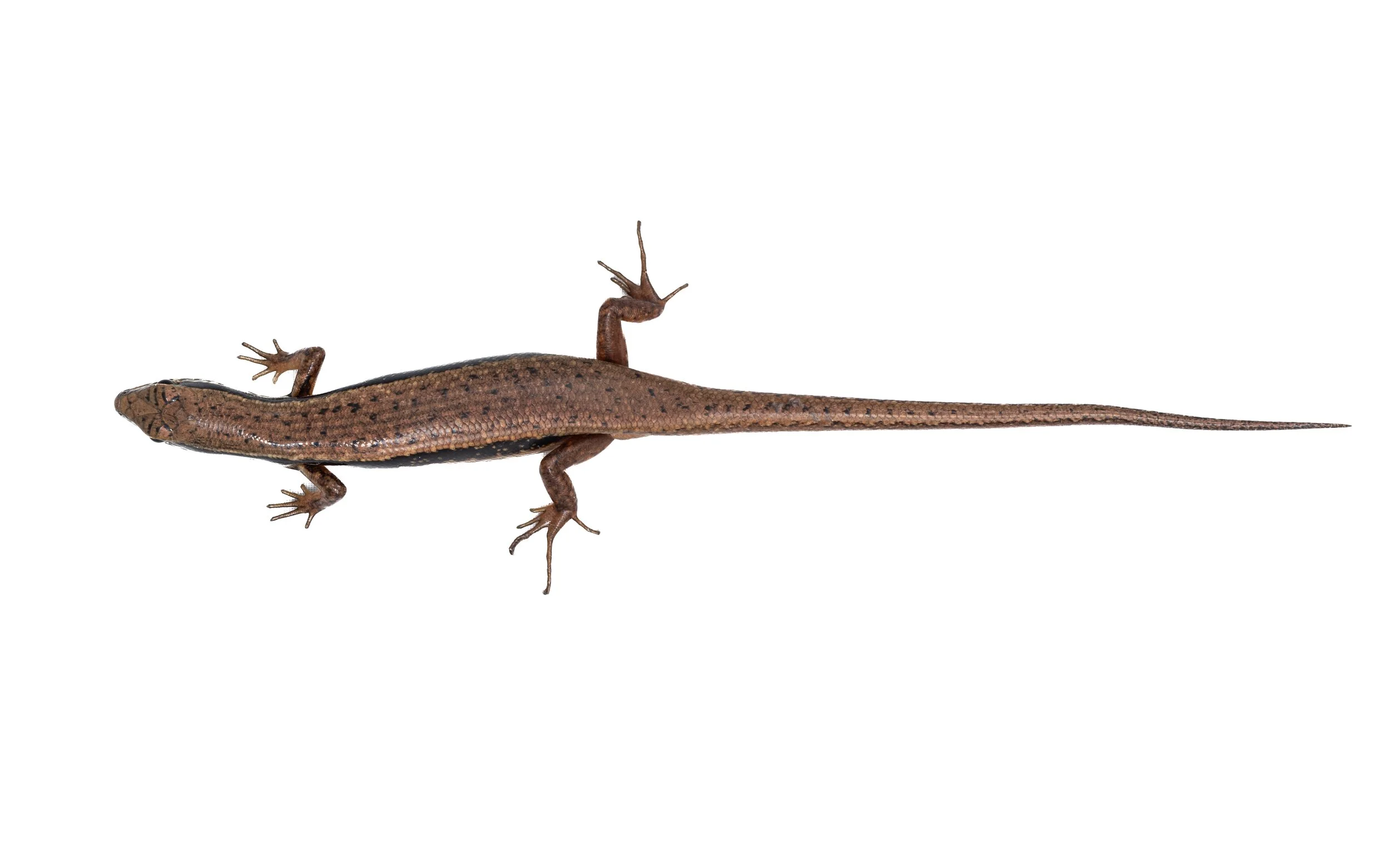
The Indian forest skink is one of the most common species of skink in Hong Kong. They are brown on the dorsum, often with small black flecks. They have a large dorsolateral black stripe starting from the snout and terminating above the hind leg. The stripe is relatively straight and largely unbroken along the upper edge. Flanks are light brown and slightly mottled. The venter is white under the chin transitioning to yellow on the chest and belly that gets darker towards the cloaca.
BEHAVIOR
The Indian forest skink is most often diurnally active, but can be found at night. They tend to live and forage in the leaf litter, taking shelter under rocks and logs at night at during inclement weather. They feed on small invertebrates. Defensively, as with most skinks, they can readily drop their tails if attacked of harassed.
HABITAT
The species is regularly found in forested areas from low to relatively high elevation.
MISTAKEN IDENTITY
The Indian forest skink look highly similar to the brown forest skink. Differences are subtle but in general, the black dorsolateral stripe on the Indian forest skink is less jagged especially on teh upper edge, the brown forest skink has yellow or yellow/green flanks whilst the Indian forest skink has light brown flanks, the dorsum of the Indian forest skink is normally all brown with small blakc flecks, whereas the brown forest skinks dorsum is less uniform with light brown as well as black flecks creating a more busy pattern.