SUMMARY
PREVALENCE: Rare
ACTIVE PERIOD: Nocturnal
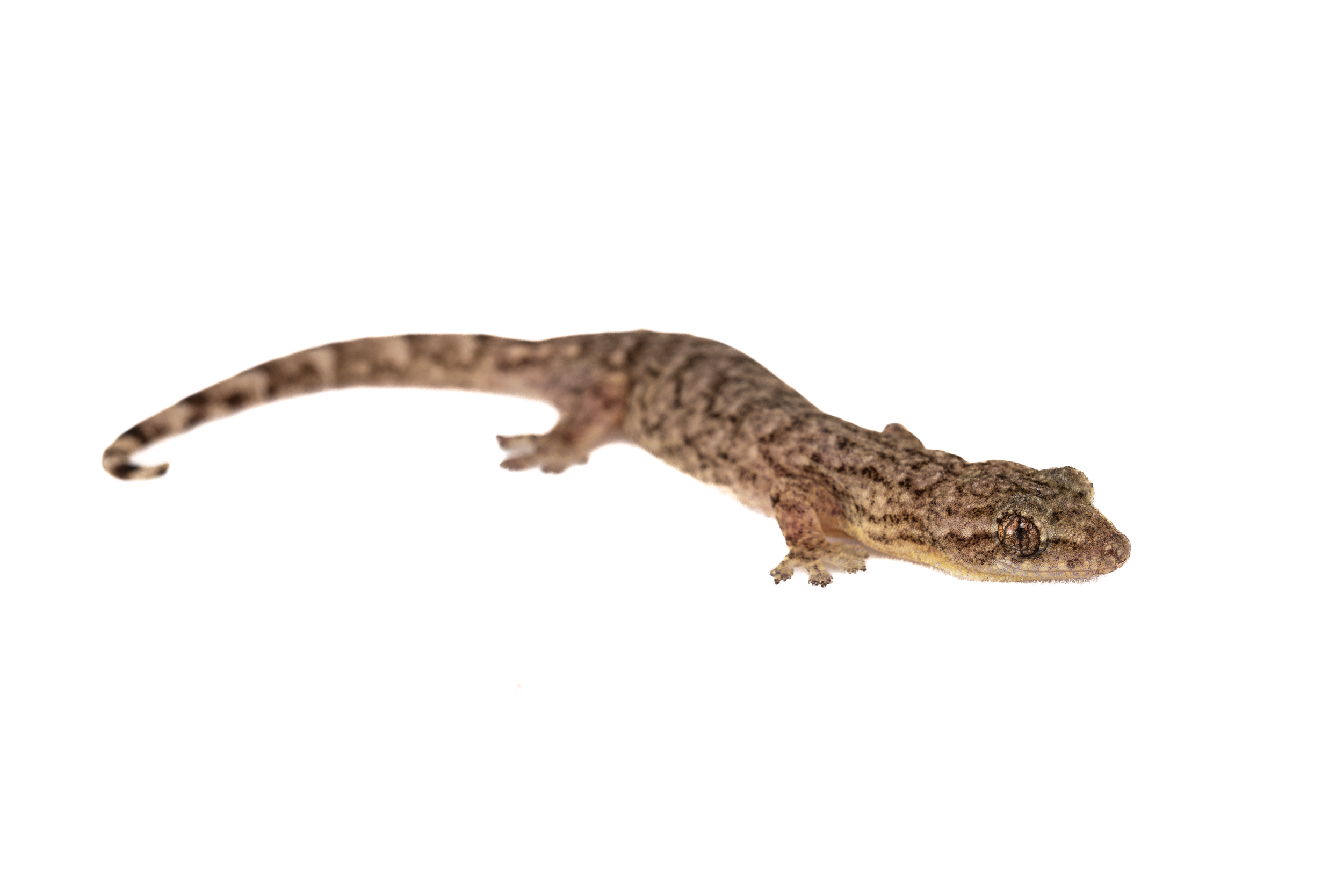
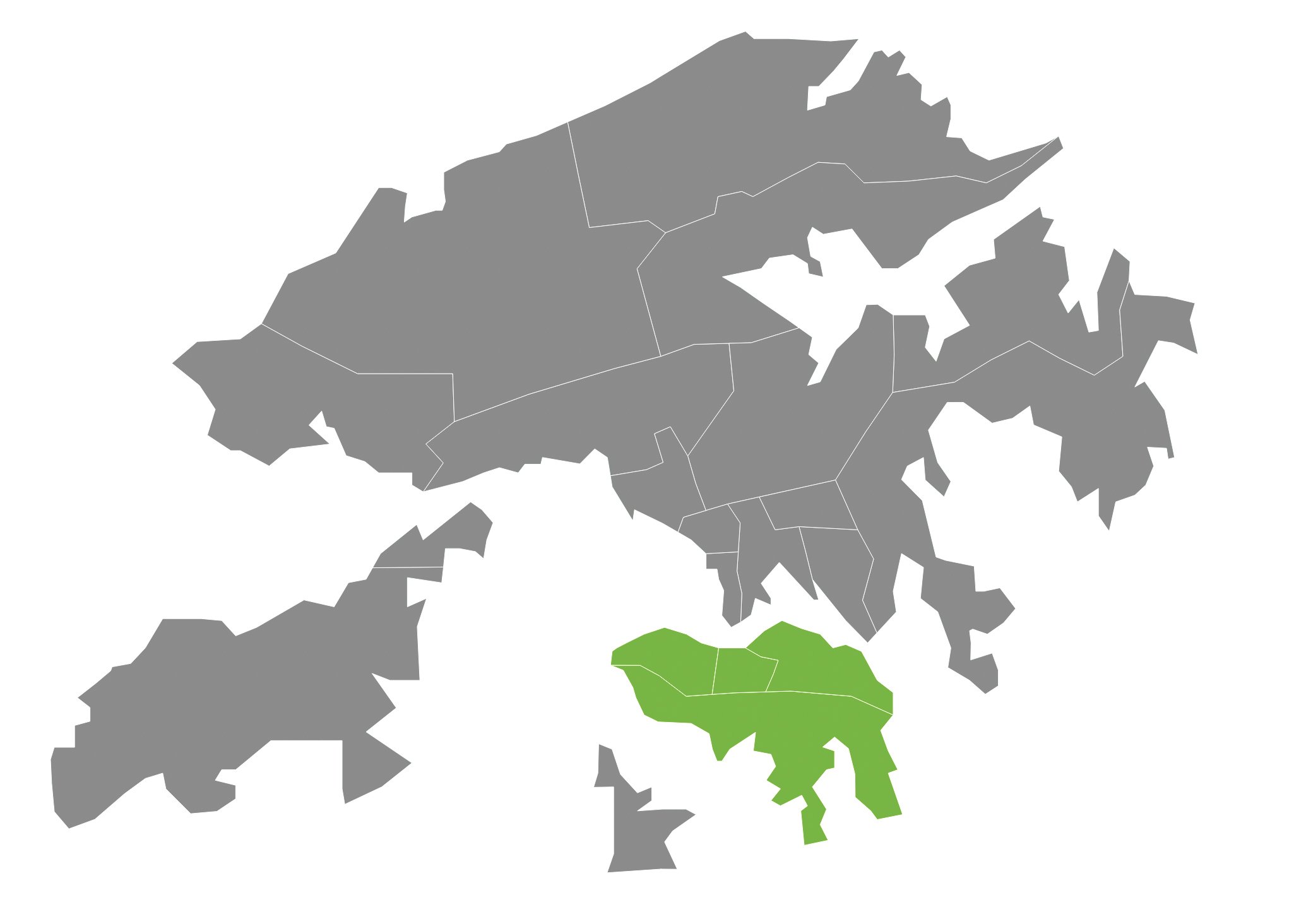
KEY ID FEATURES: Small, with truncated legs and snout, prehensile tail, isolated to Hong Kong Island
BEHAVIOR: Found on trees and railings
SIZE: 7cm
IUCN: LC - Least Concerned
RANGE

GALLERY
IMPORTANT: Many geckos look similar and require experience to identify. Geckos and skinks also drop their tails readily if handled which is a stressful and energy intensive issue, so great care should be taken when interacting with lizards in Hong Kong.


DESCRIPTION
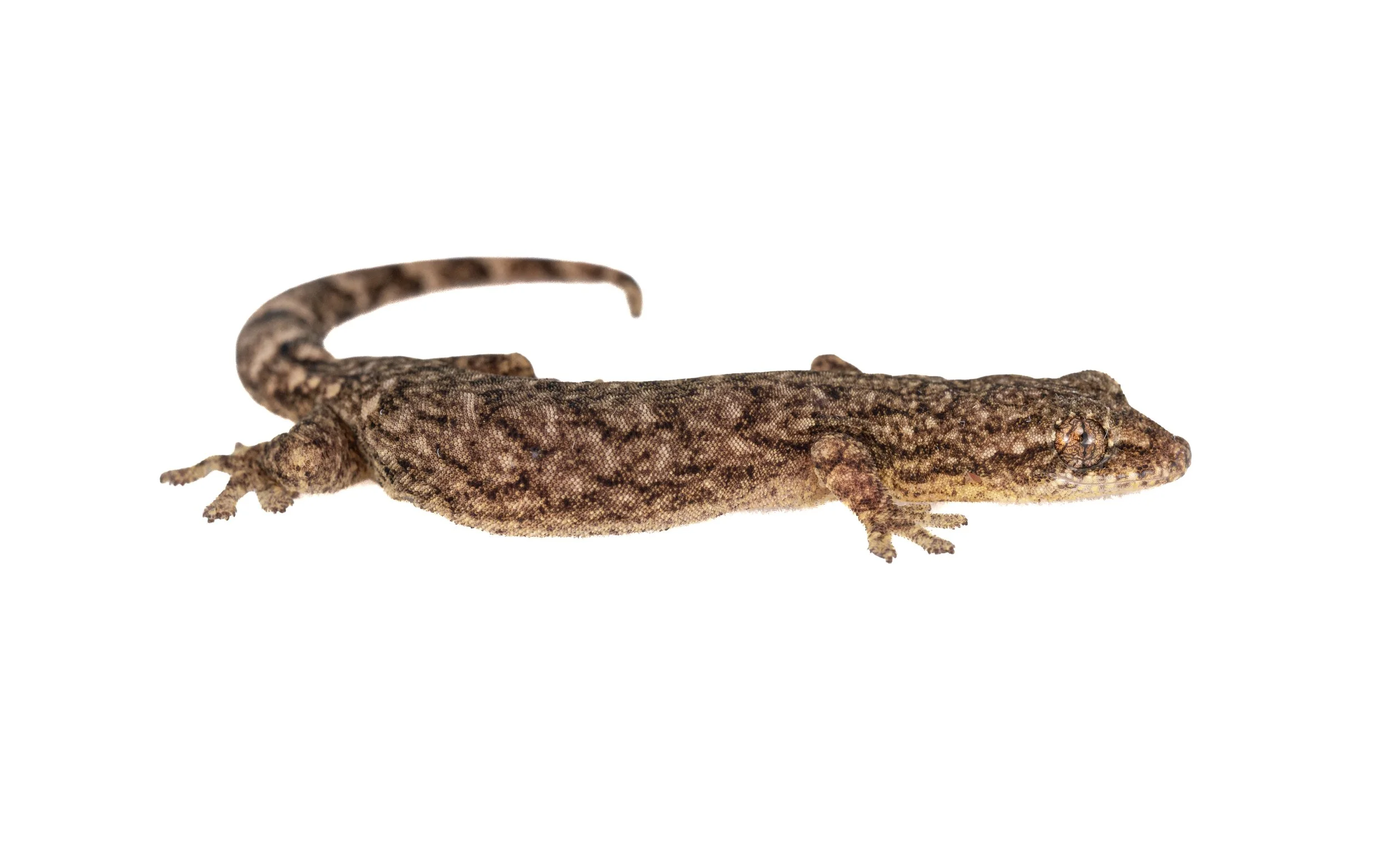
The tree gecko, or Hong Kong slender gecko, is thought to be endemic to Hong Kong, though comparative work is still underway. They have a relatively limited distribution making them somewhat uncommon, though they are not hard to encounter where populations exist. They are a small species compared to average Hong Kong gecko species, rarely exceeding 8cm in total length and 3 to 4cm snout to vent. Limbs are short relative to the body and the head is only sightly distinct from the neck. Snout is short and rounded. There is some variability within the species with respect to marking, though most are a light brown color withe black mottling or flecks running from the head down the body and terminating at the tail. The tail shows black and shit jagged bands on many individuals, though regenerated tails are uniform in color. Most individuals also have a pale line starting just before the eye and extending back and terminating at the jaw. Some individuals can also be mostly uniform brown in color. Most indviduals have a yellow venter transitioning to gray on the subcaudals. Some individuals may only show yellow under the head and grey on the belly and tail.
The pads or “Lamellae” on the fore and rear limbs are divided on all digits with claws extending just beyond the end most lamella, on the second through fifth digit, but is absent on the first. Approximately 9 lamella on the third, fourth and fifth fore limb digits, 7 on the second, and 1 or 2 on the first. The first digit is noticeably reduced on both fore and rear limbs.Rear limb lamellae count mirrors that of the fore limbs for each digit. Lamellae pad count may vary slightly between individuals.
The mental shield or chin scale under the mouth is large and triangular. Mental scales small and numerous with irregular arrangement.
The tail is conical and is covered in uniform sized micro tubercles. These uniformly cover the tail with no discernibly different sized sub caudal scales. Tree geckos also use their tail in a more prehensile manner than most other gecko species in Hong Kong.
BEHAVIOR
Tree geckos reproduce sexually, laying their small eggs in crevices, in-between back in tree, for in cracks in railing. Two eggs are produced at a time.
They can often be found at night climbing on trees or railing searching for small insects to eat.
HABITAT
This species is capable of establishing populations in forested habitat.
MISTAKEN IDENTITY
The tree gecko could possibly be mistaken for a juvenile Chinese or Bowring’s gecko, but they are generally unique in size and appearance. The shorter limbs and slightly slower movements along with the stubby prehensile tail are the best diagnostic features to determine species for this gecko.