SUMMARY
PREVALENCE: Common
ACTIVE PERIOD: Nocturnal
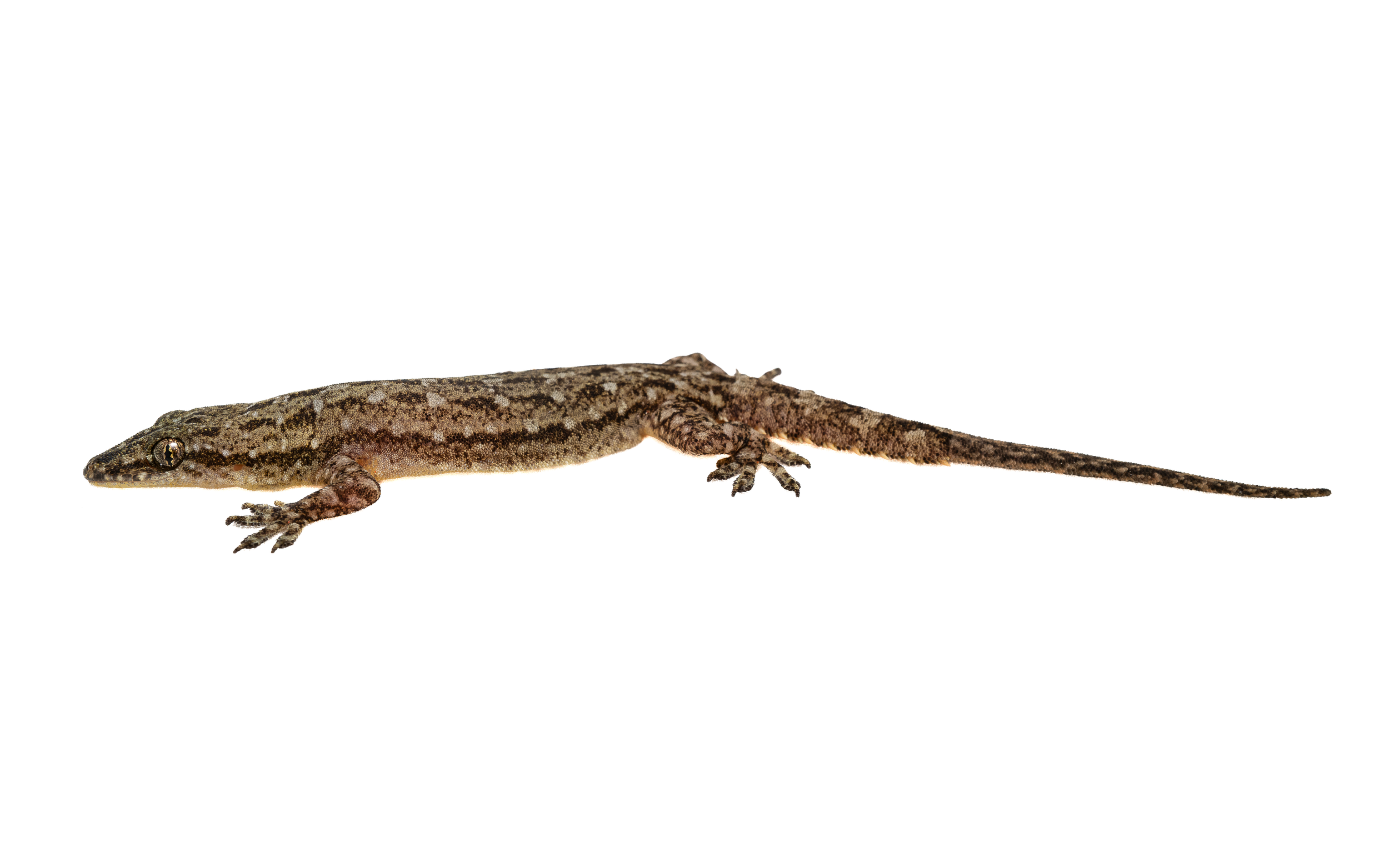
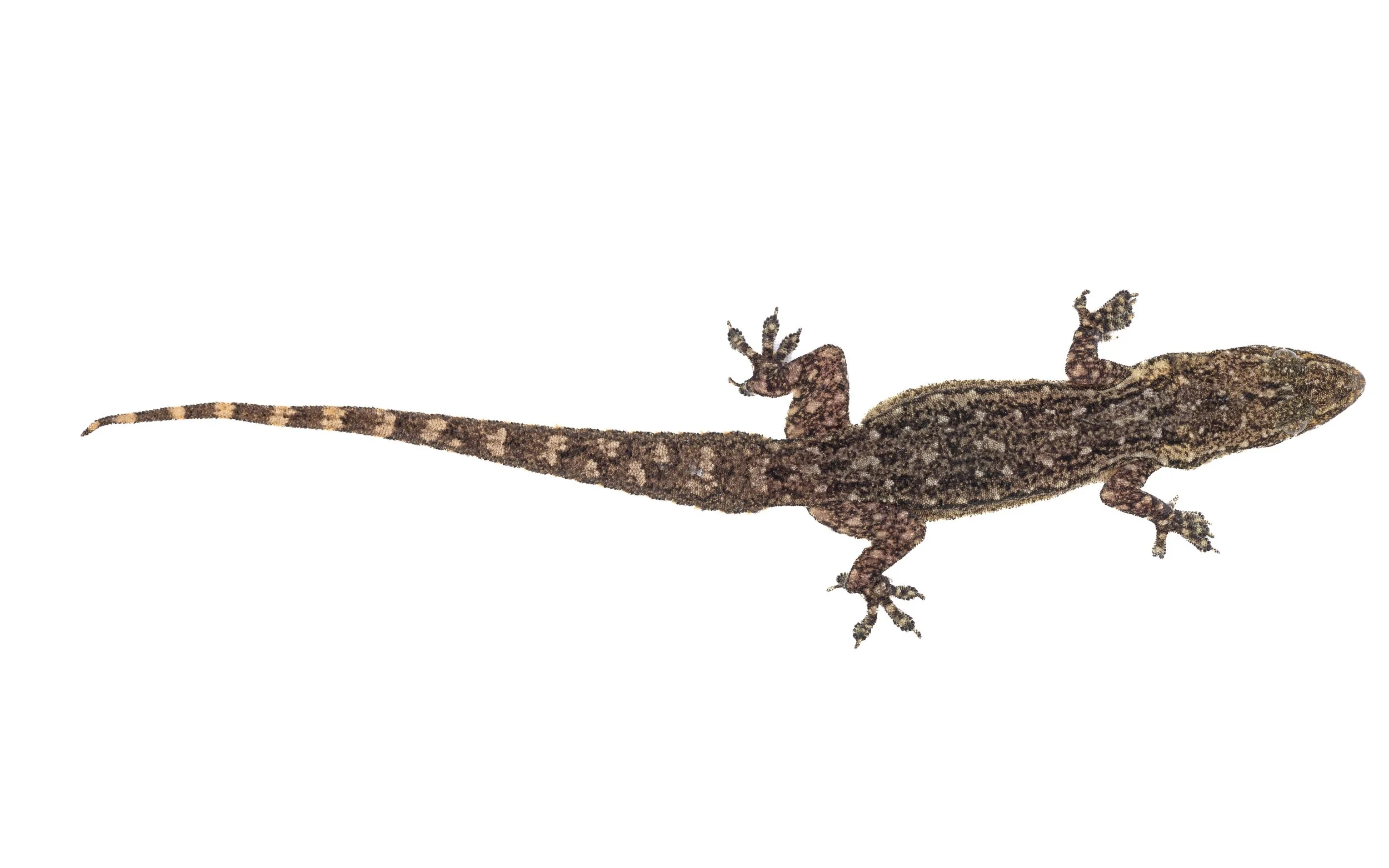
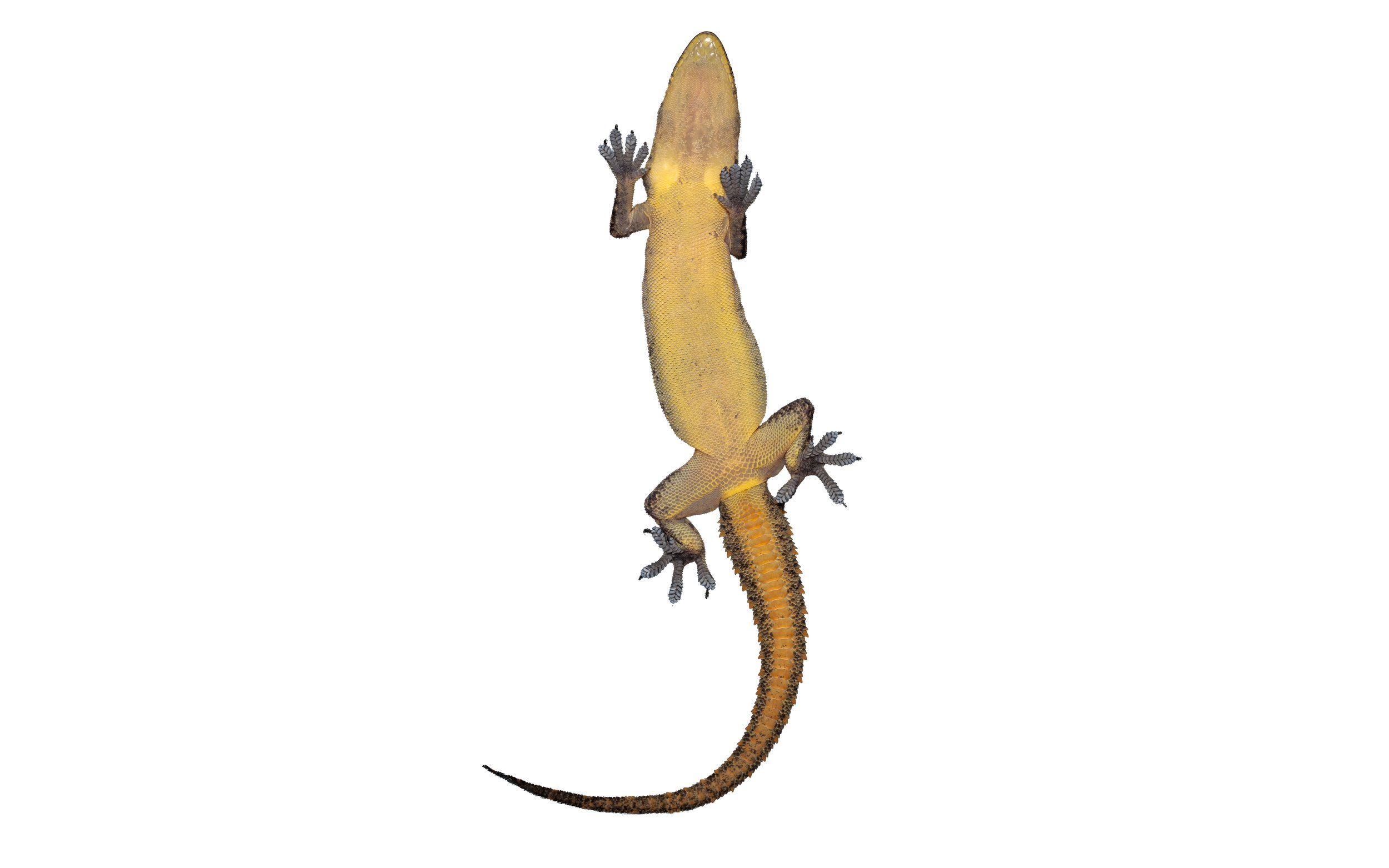
KEY ID FEATURES: Narrow head, tail wide at the base with obvious tubercles on the edges, underside of tail often orange
BEHAVIOR: Found on walls, trees the underside of roofs and overhangs
SIZE: 13cm
IUCN: LC - Least Concerned
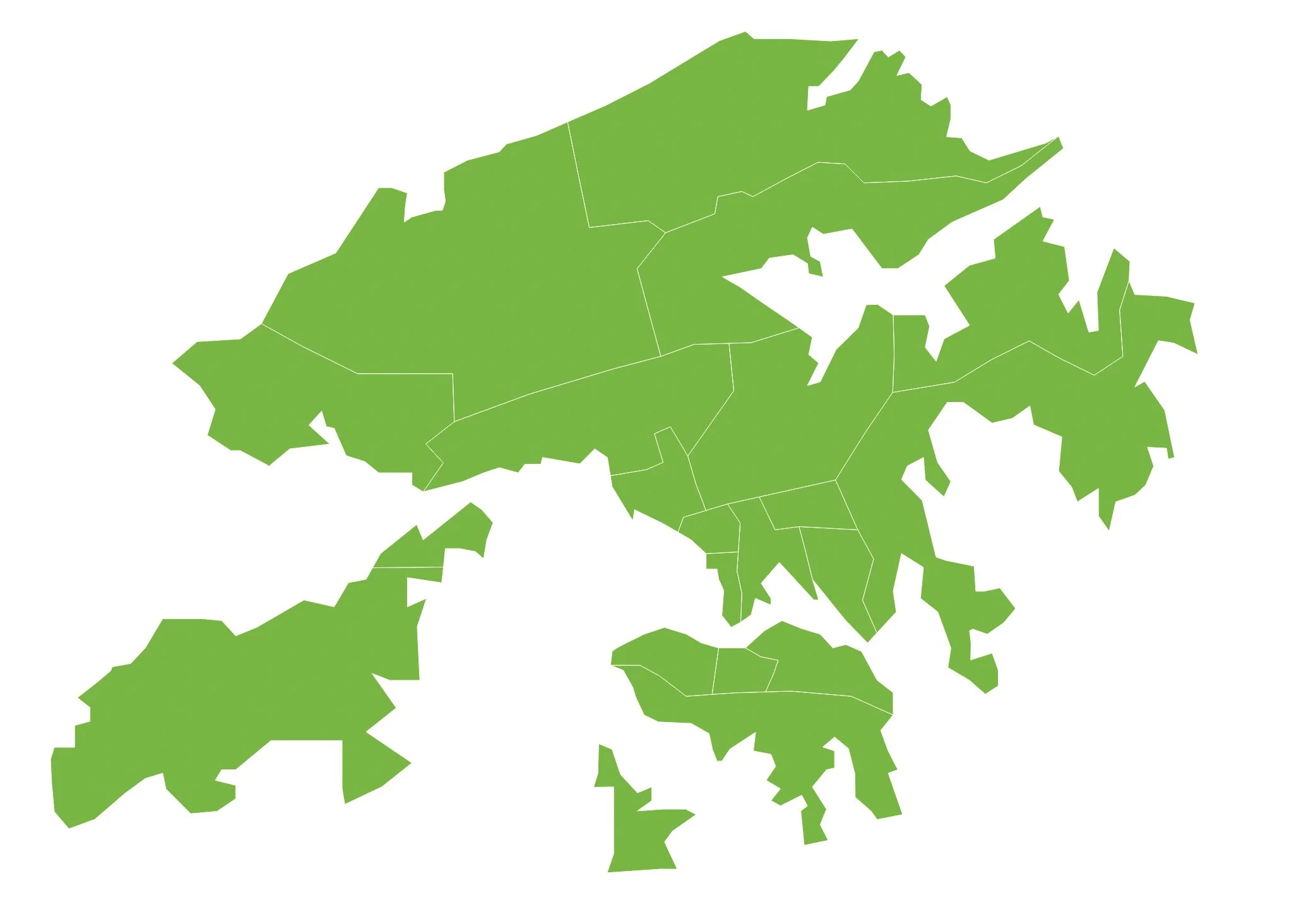
RANGE

GALLERY
IMPORTANT: Many geckos look similar and require experience to identify. Geckos and skinks also drop their tails readily if handled which is a stressful and energy intensive issue, so great care should be taken when interacting with lizards in Hong Kong.
DESCRIPTION
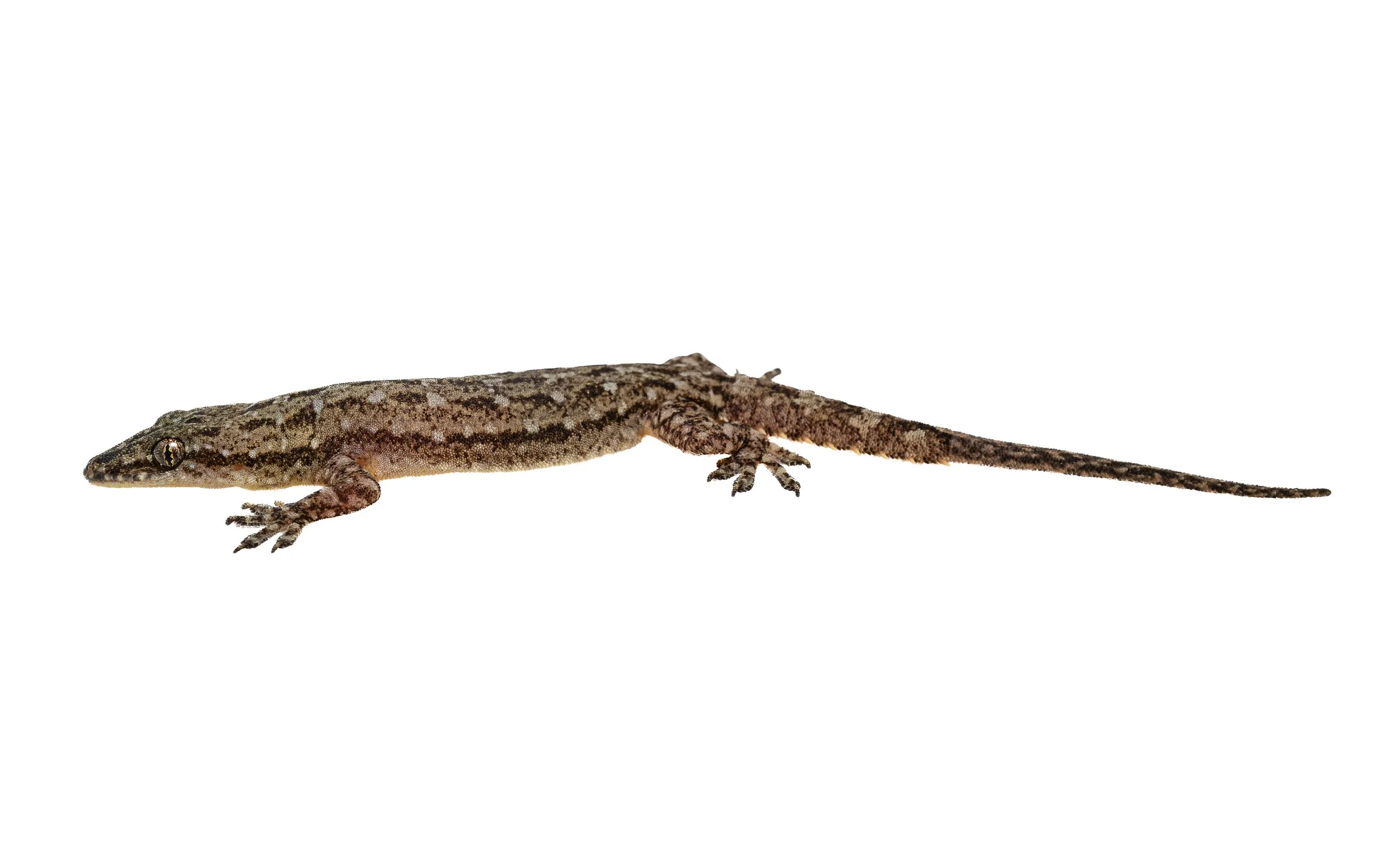
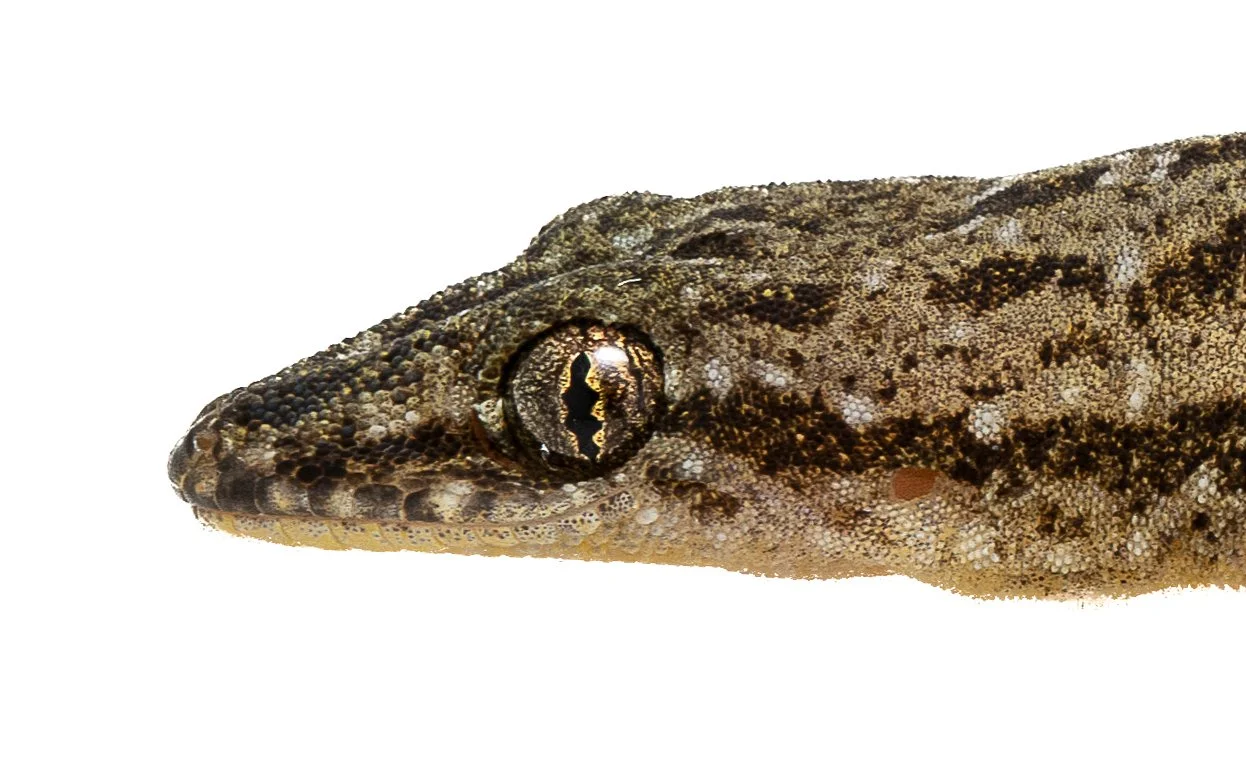
Garnot’s gecko is one of the more common geckos to encounter in Hong Kong can can be found practically everywhere including small islands. They are of average size for Hong Kong gecko species, rarely exceeding 12 to 14cm in total length, with a snout to vent length of approximately 5 to 7cm. Head is relatively narrow and pointed at the snout. Garnot’s’s geckos have a black stripe starting just under the nostril and running the entire side of the body terminating at the base of the tail. The top of the head is light yellow grey with black mottling and usually has several black blotches. The back is often comprised of black and white blotches that run down the back in two or three stripes terminating at the base of the tail. If not regenerated these light and dark blotches are also present on the tail with the light colored botches larger than the black. The markings are less obvious when the animal changes to lighter coloration, which this and other species in Hong Kong are capable of doing. Regenerated tails are uniform in color, often gray. Scales on the body are granular with no distinct enlarged tubercles. The venter is often bright yellow terminating at the cloaca with the subcaudals often a bright orange though can be occasionally be grey.
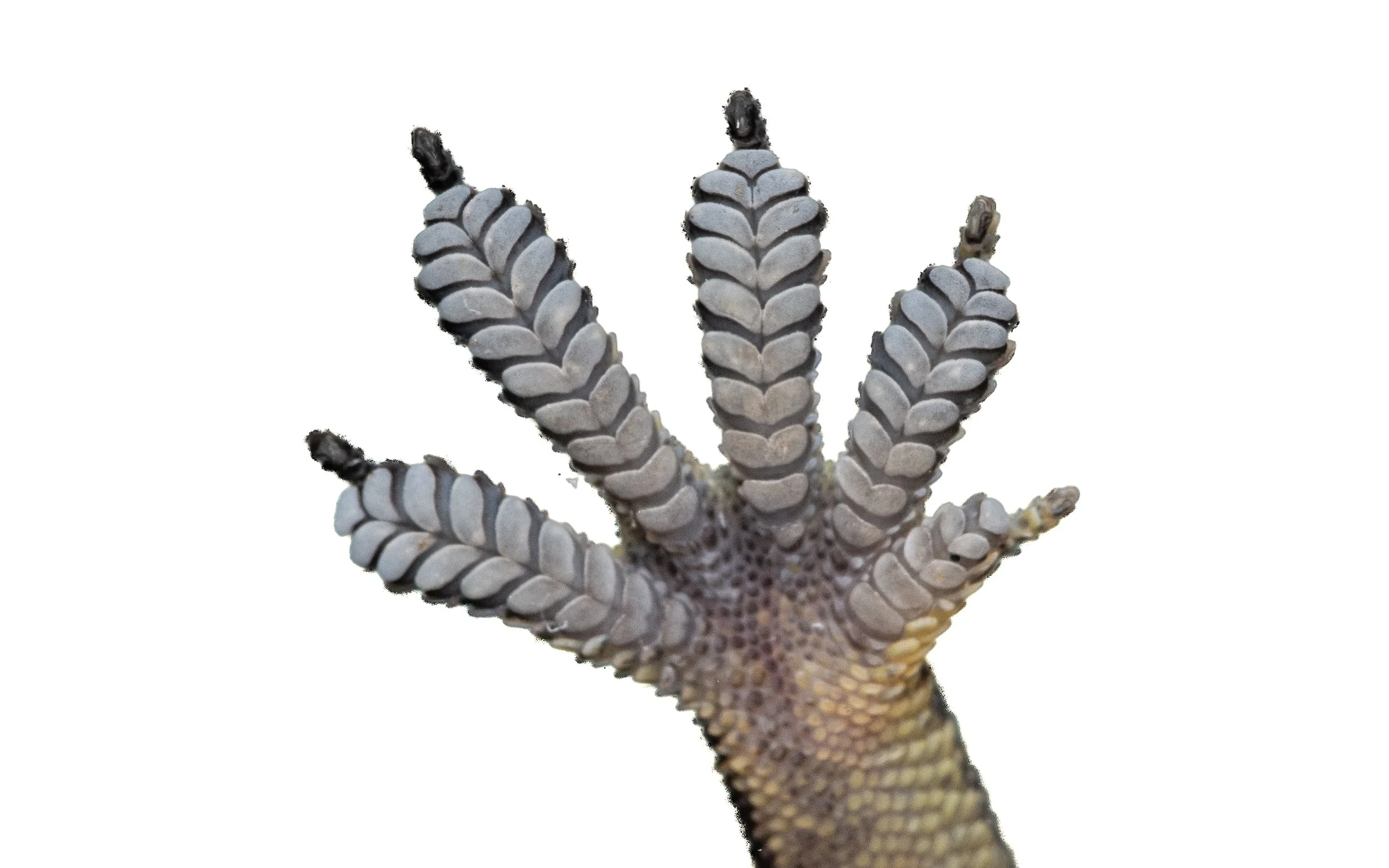
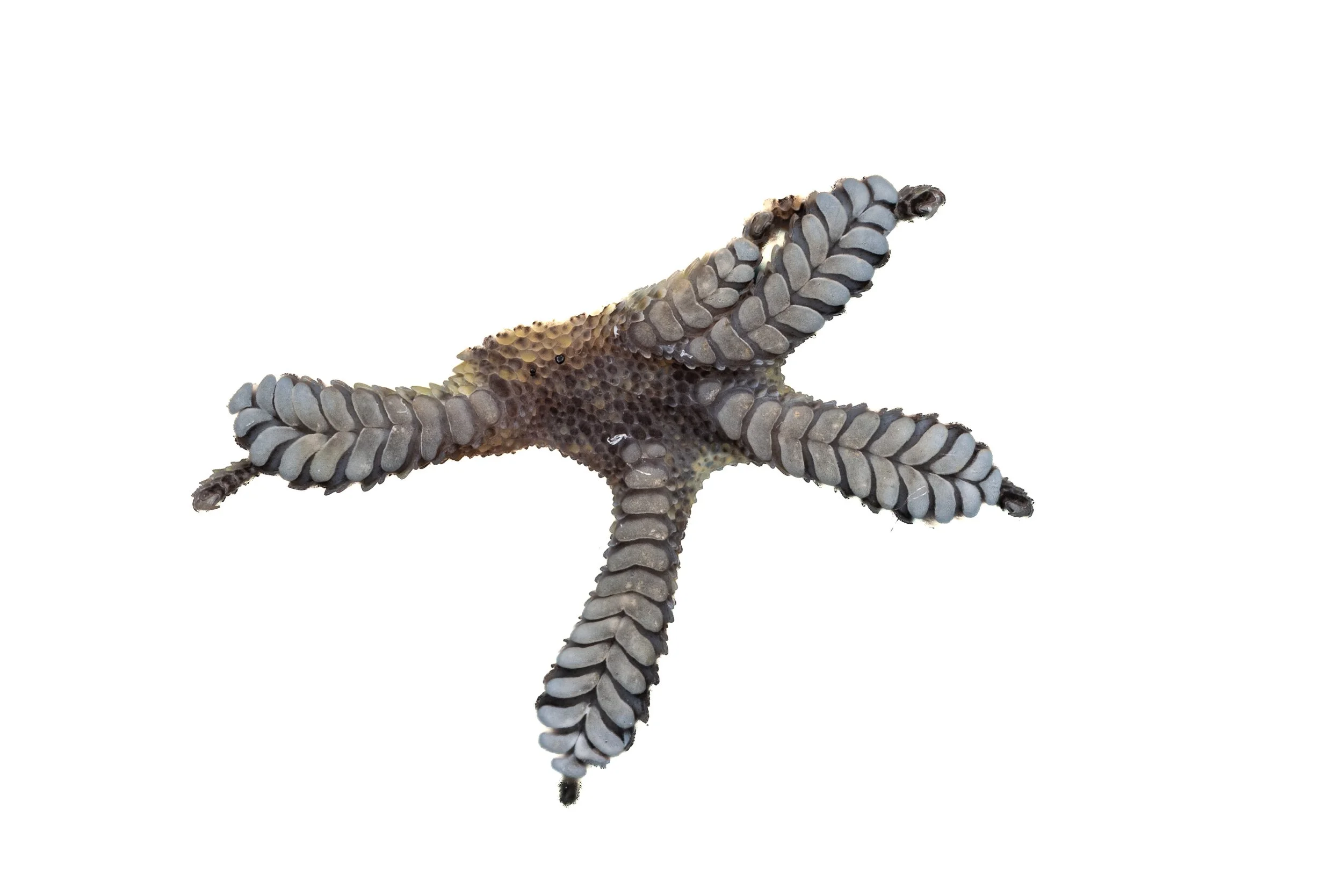
The pads or “Lamellae” on the fore and rear limbs are divided in part on all digits with claws extending beyond the end most lamella, also on each digit. Approximately 15 lamella on the third and fifth fore limb digits, 17 on the fourth, 13 on the second, and 7 on the first. The first digit is noticeably reduced on both fore and rear limbs with claw extending far beyond the end most lamellae. On the rear limb, roughly 15 to 16 lamellae on the second, thrid and fifth digits, approximately 17 on the fourth, with 8 on the first. Lamellae pad count may vary slightly between individuals.
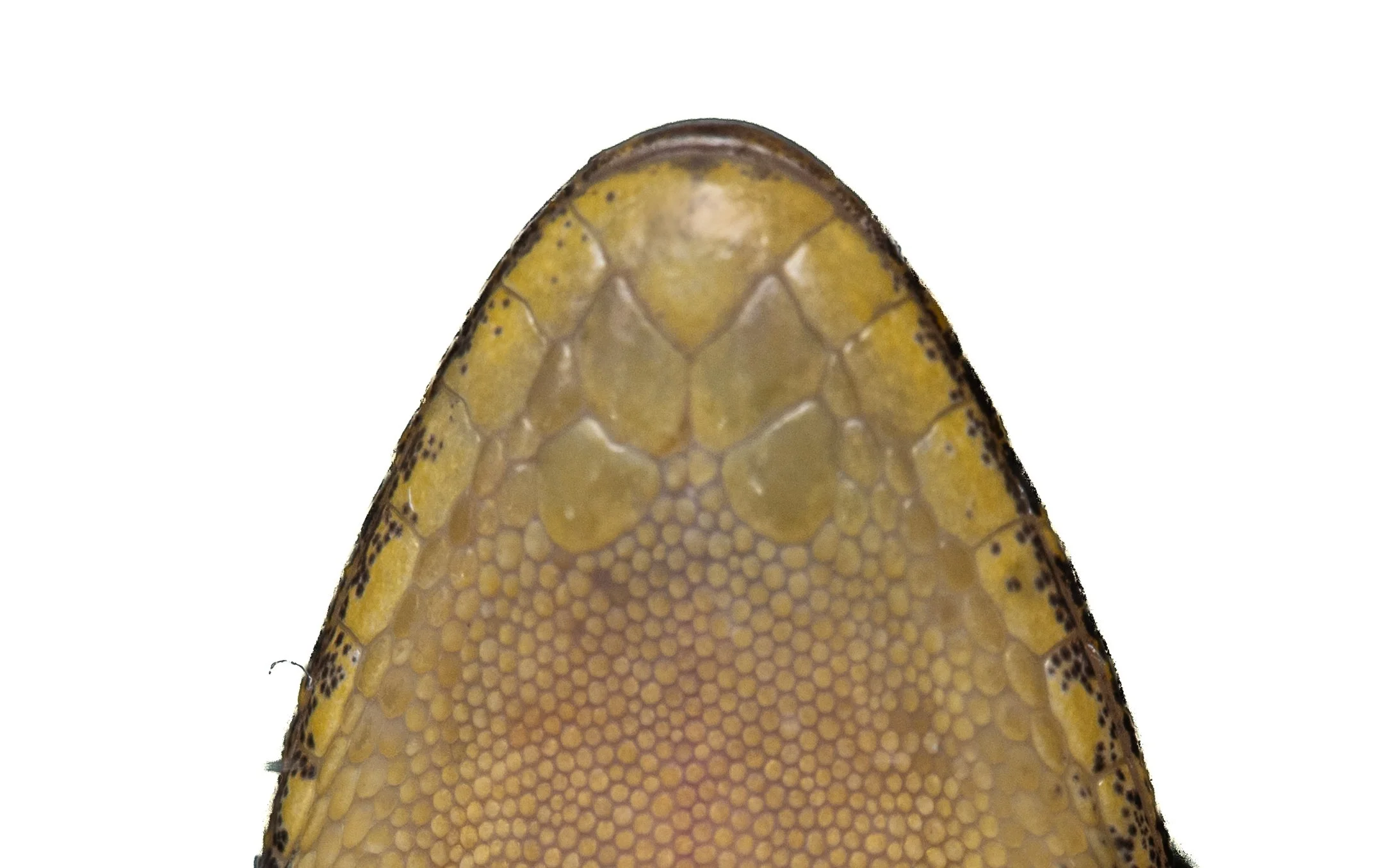
The mental shield or chin scale under the mouth is large and triangular. Two pairs of mental scales with the first two in contact and second pair separated.
The tail is laterally compressed and narrow just after the cloaca then widens thereafter before tapering again toward the tip. Enlarged tubercles, a key identifying feature of the species can be seen running down the side of the tail all the way to the tip. Tubercles are not present if the tail is regenerated, but can still be seen on the upper most portion of the tail by the cloaca in such cases.
BEHAVIOR
Garnot’s gecko reproduces through parthenogenesis, where unfertilized eggs will develop embryos, which may in part explain the success of this species populations across Hong Kong. They can often be found at night running along railings in country parks or climbing on walls and other structures in search of insects.
HABITAT
This species is capable of establishing populations in forested and disturbed habitat as well as in populated areas.
MISTAKEN IDENTITY
Garnot’s geckos are most easily confused with Bowring’s geckos, another extremely common species with similar markings, dimensions and overall size. The most obvious distinguishing feature between the two are the tubercles or spines running down the side of the tail on the Garnot’s geckos. If the Garnot’s tail is regenerated the spines will only be present at the base of the tail however, and require a close viewing to confirm. In addition the Garnot’s gecko has a bright yellow venter, often with a bright orange underside to the tail. Under close examination the Garnot’s also has a highly reduced first digit with a claw extending far past the last lamellae.