SUMMARY
PREVALENCE: Common
ACTIVE PERIOD: Nocturnal
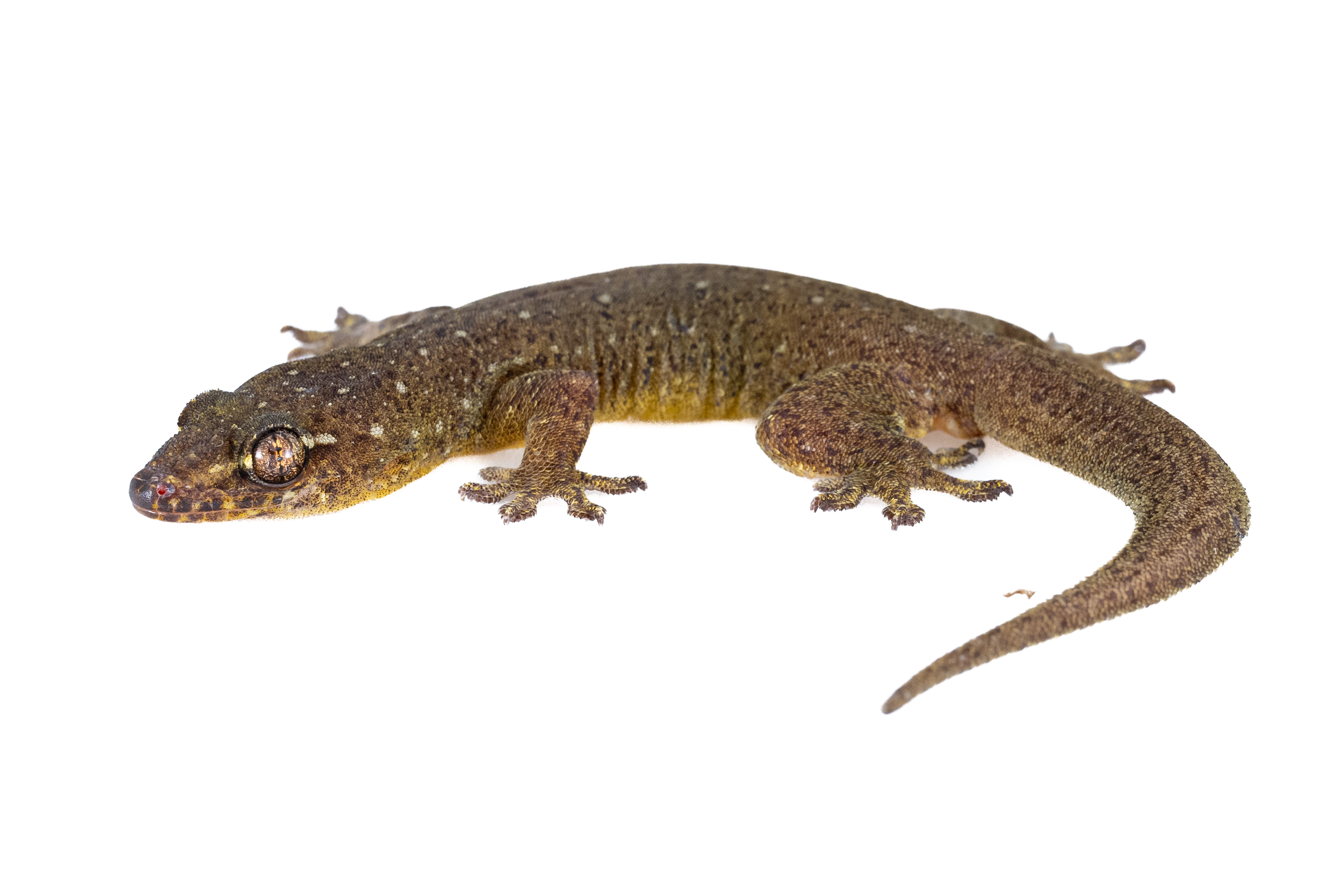
KEY ID FEATURES: Wide head, very wide tail in many individuals, characteristic absent claw on first digit, can be missing sections of scales that they slough off defensively
BEHAVIOR: Found on walls, the underside of roofs and overhangs
SIZE: 13cm
IUCN: LC - Least Concerned
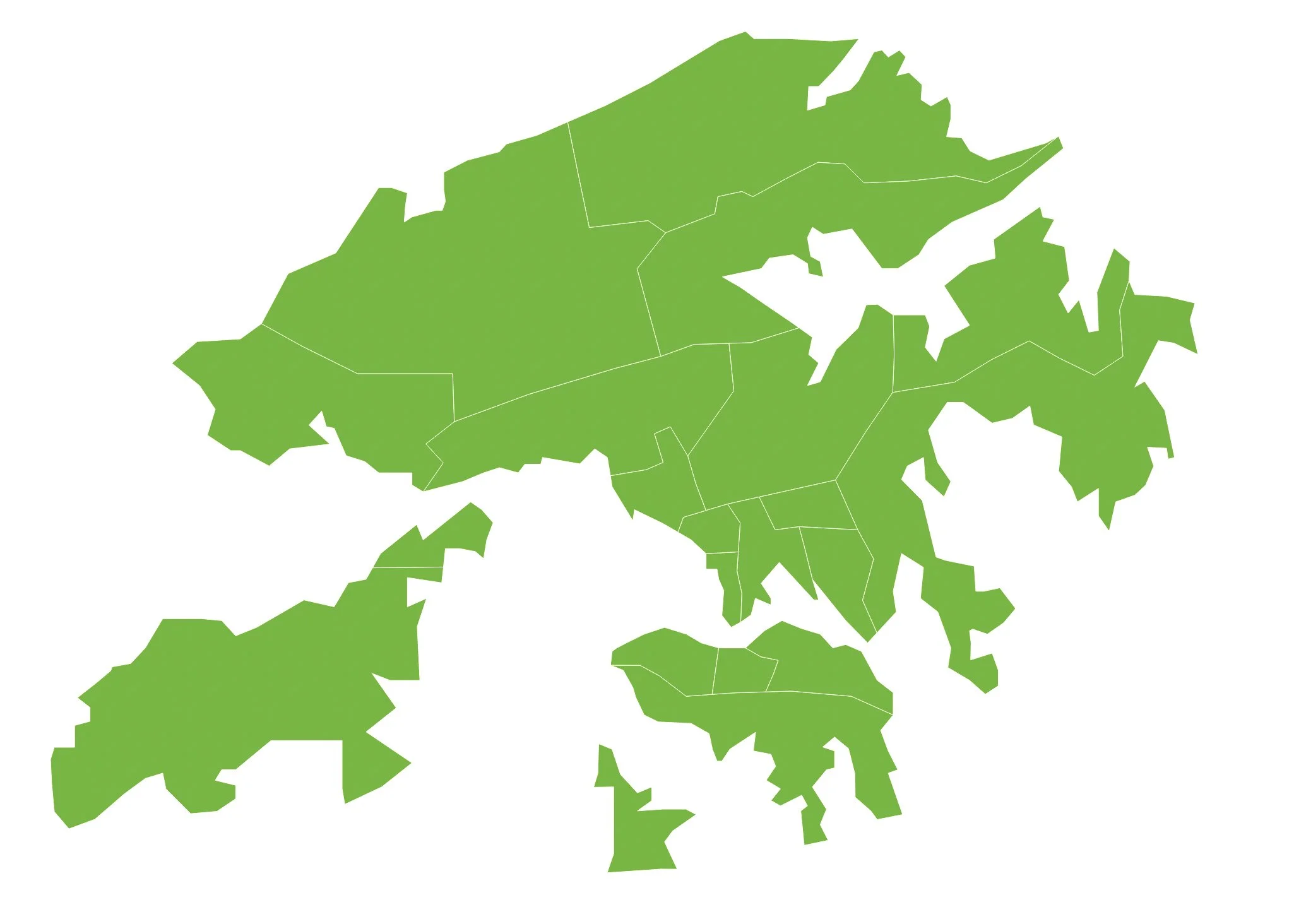
RANGE

GALLERY
IMPORTANT: Many geckos look similar and require experience to identify. Geckos and skinks also drop their tails readily if handled which is a stressful and energy intensive issue, so great care should be taken when interacting with lizards in Hong Kong.
DESCRIPTION
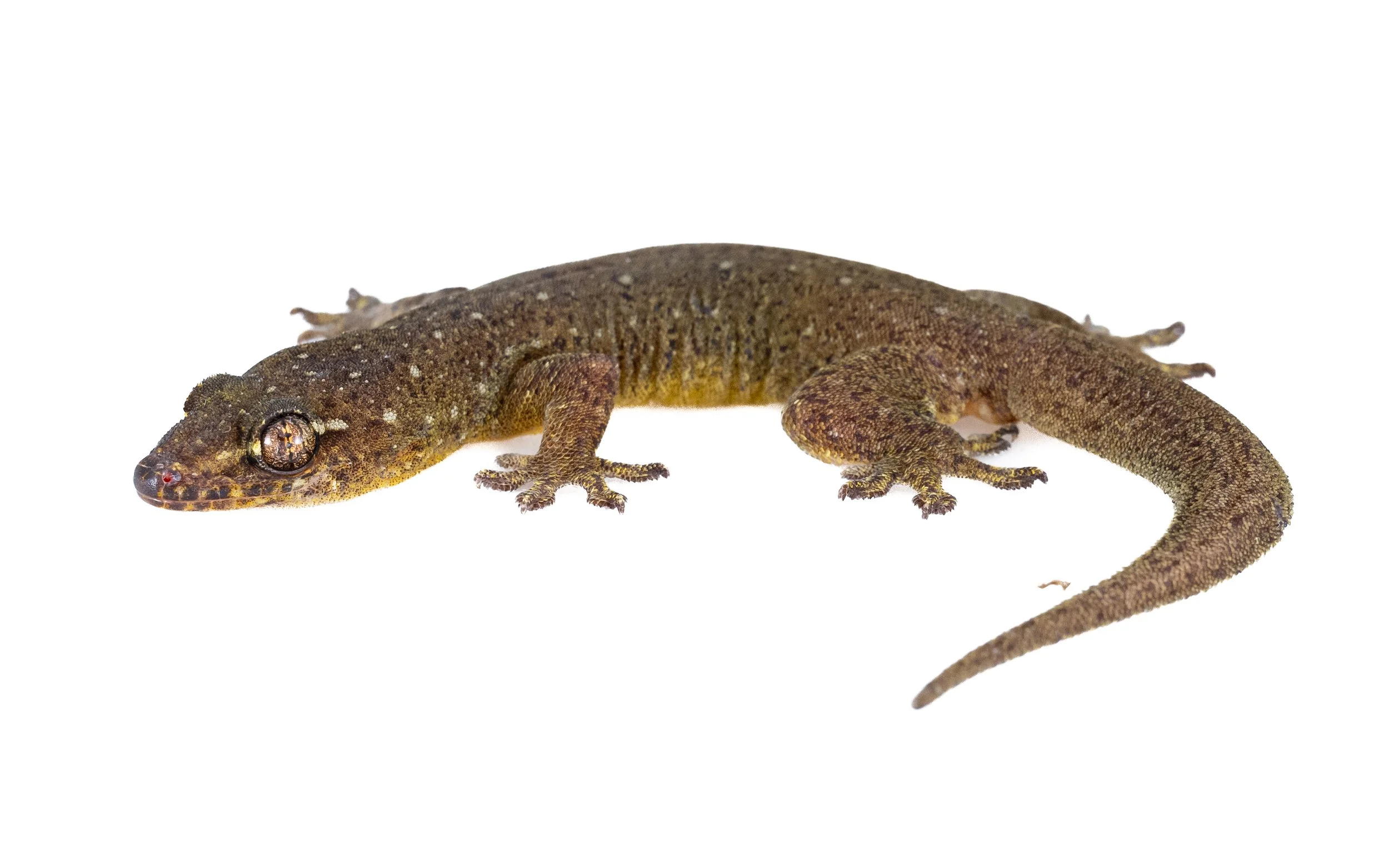
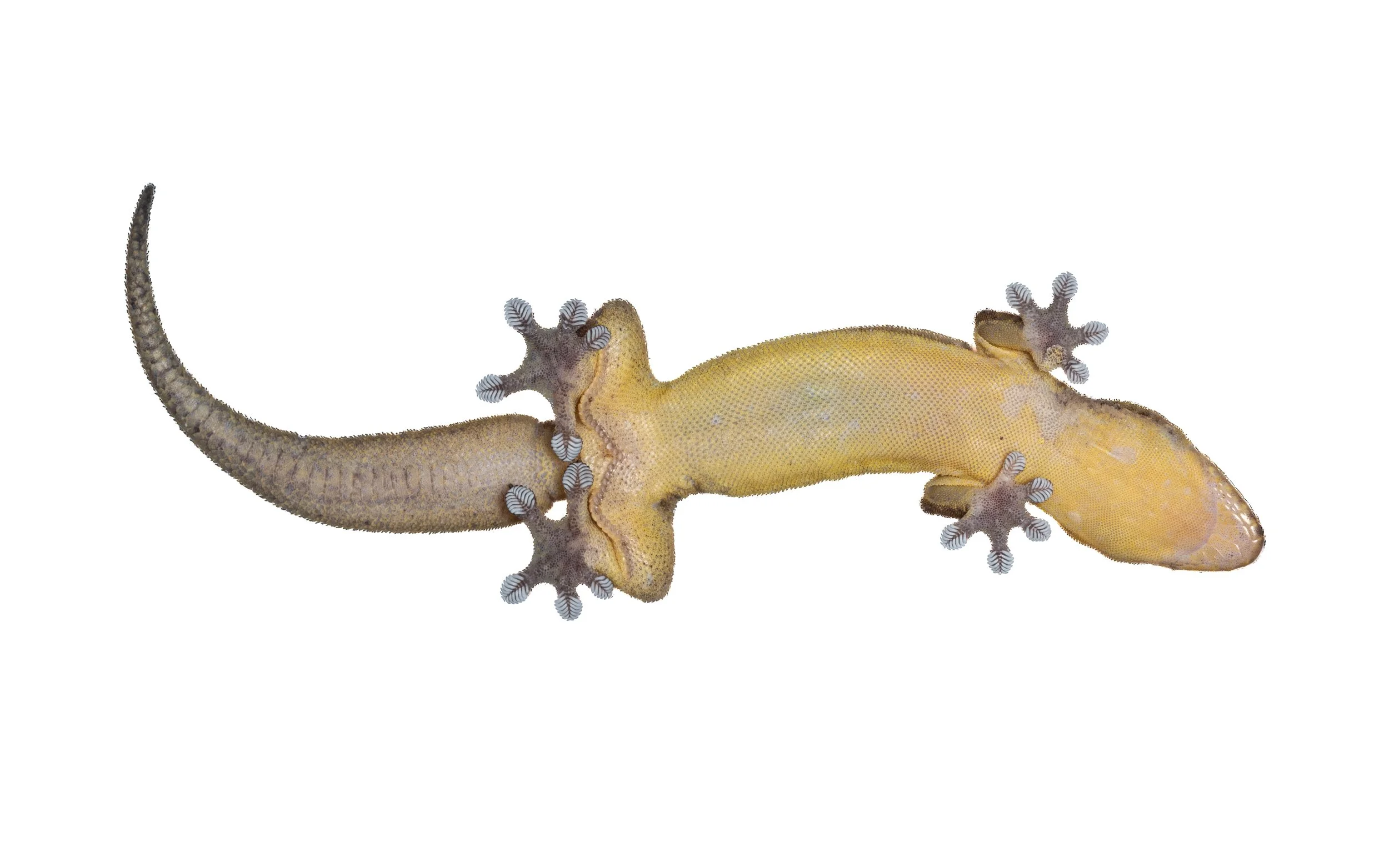
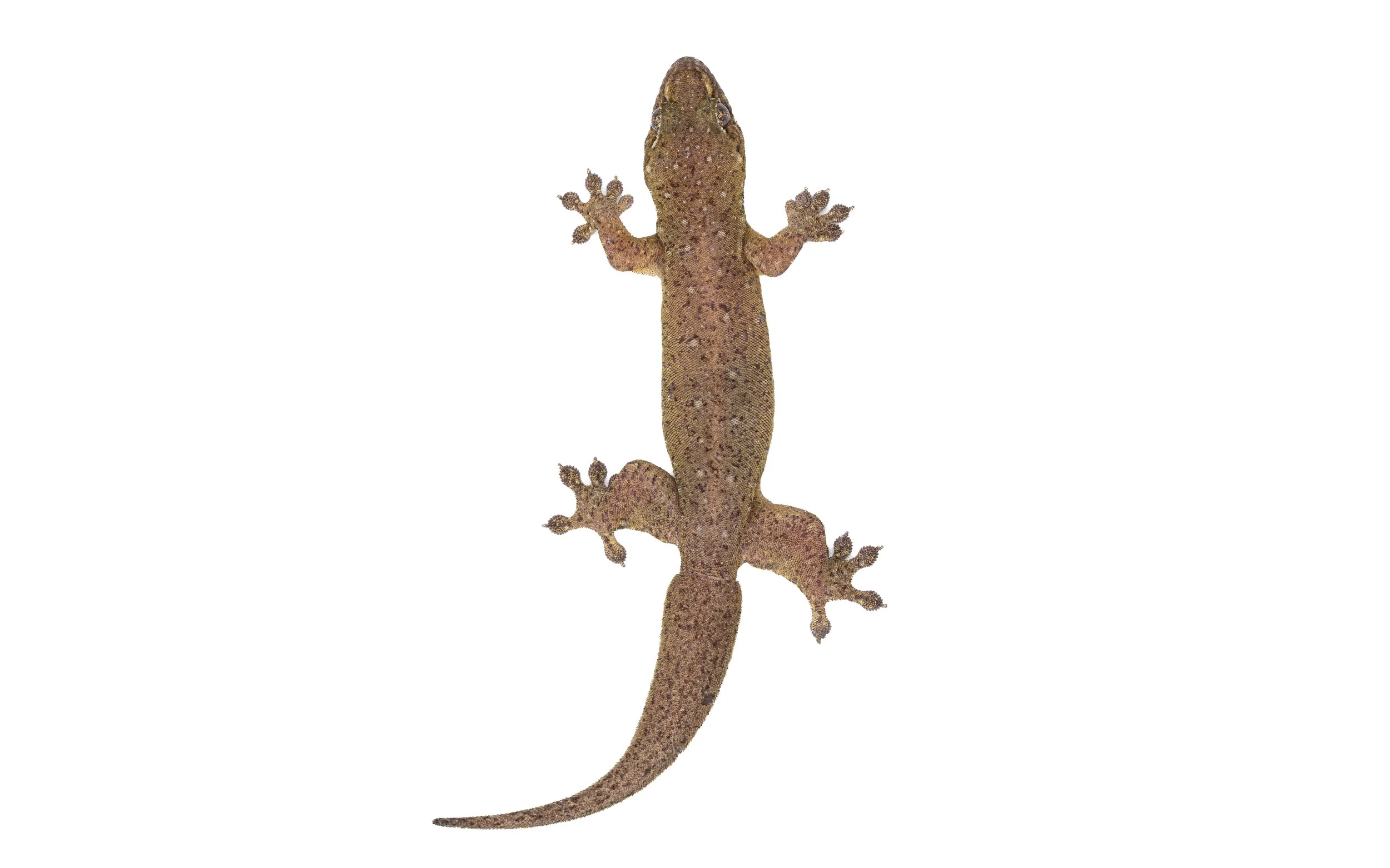
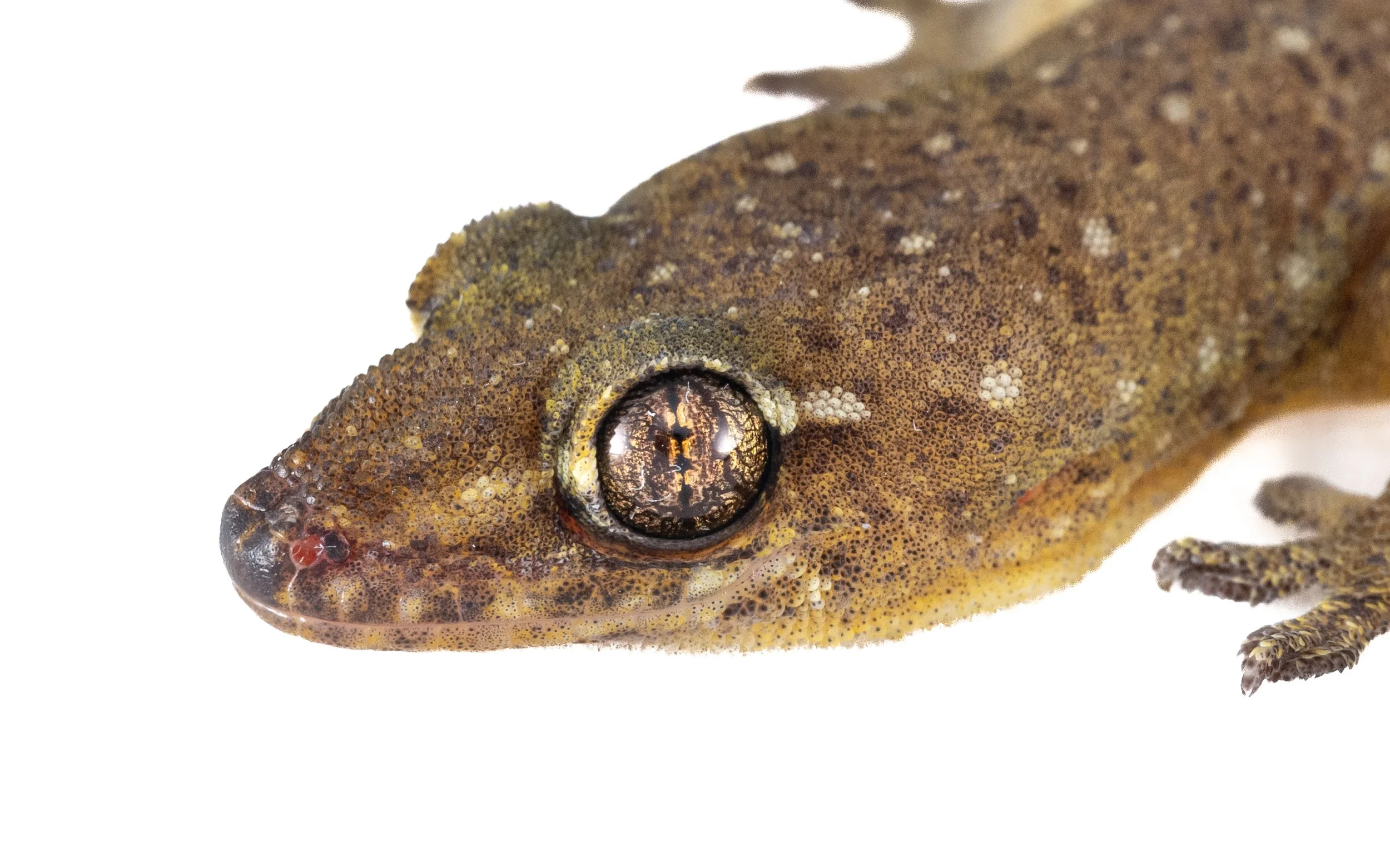
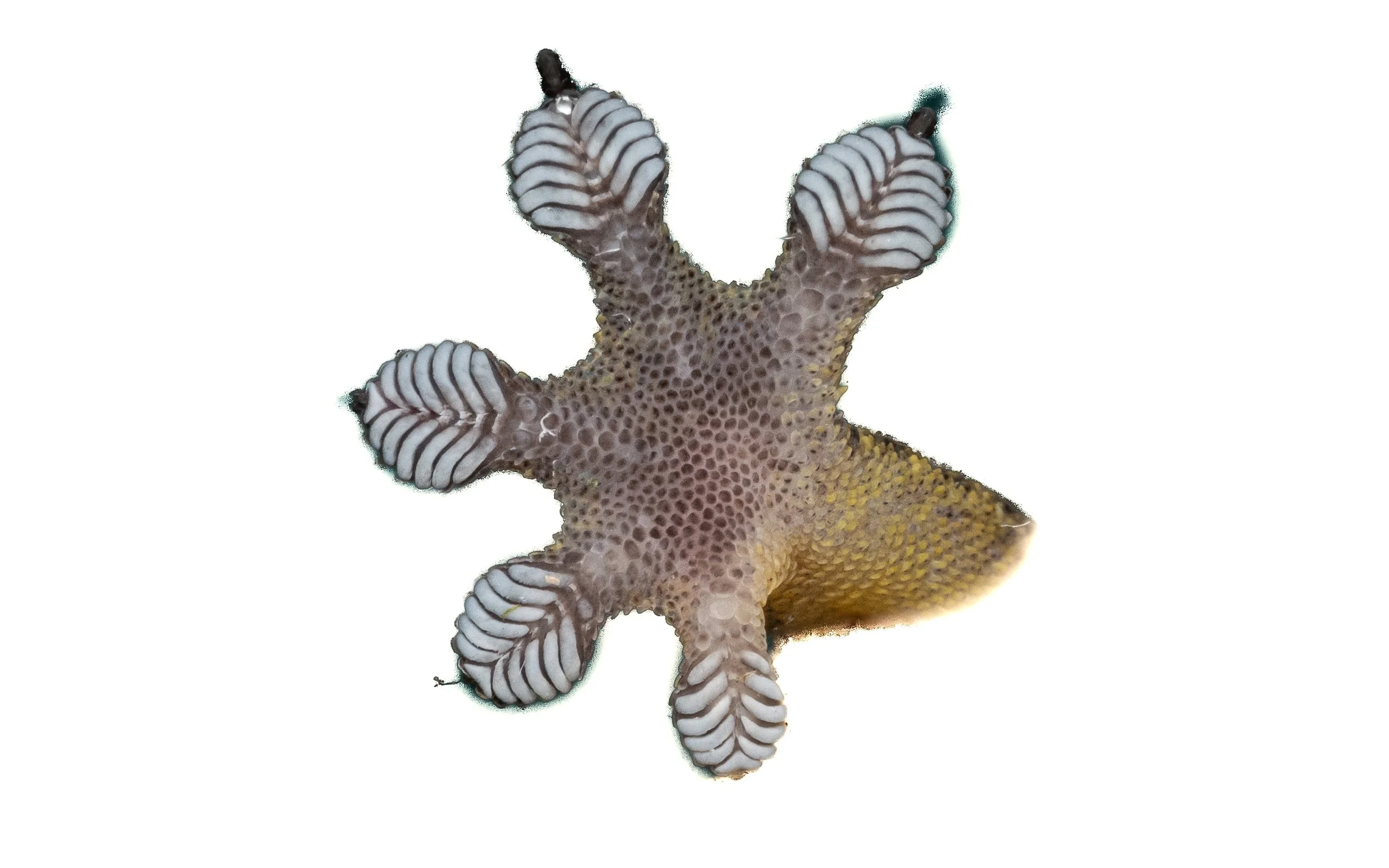
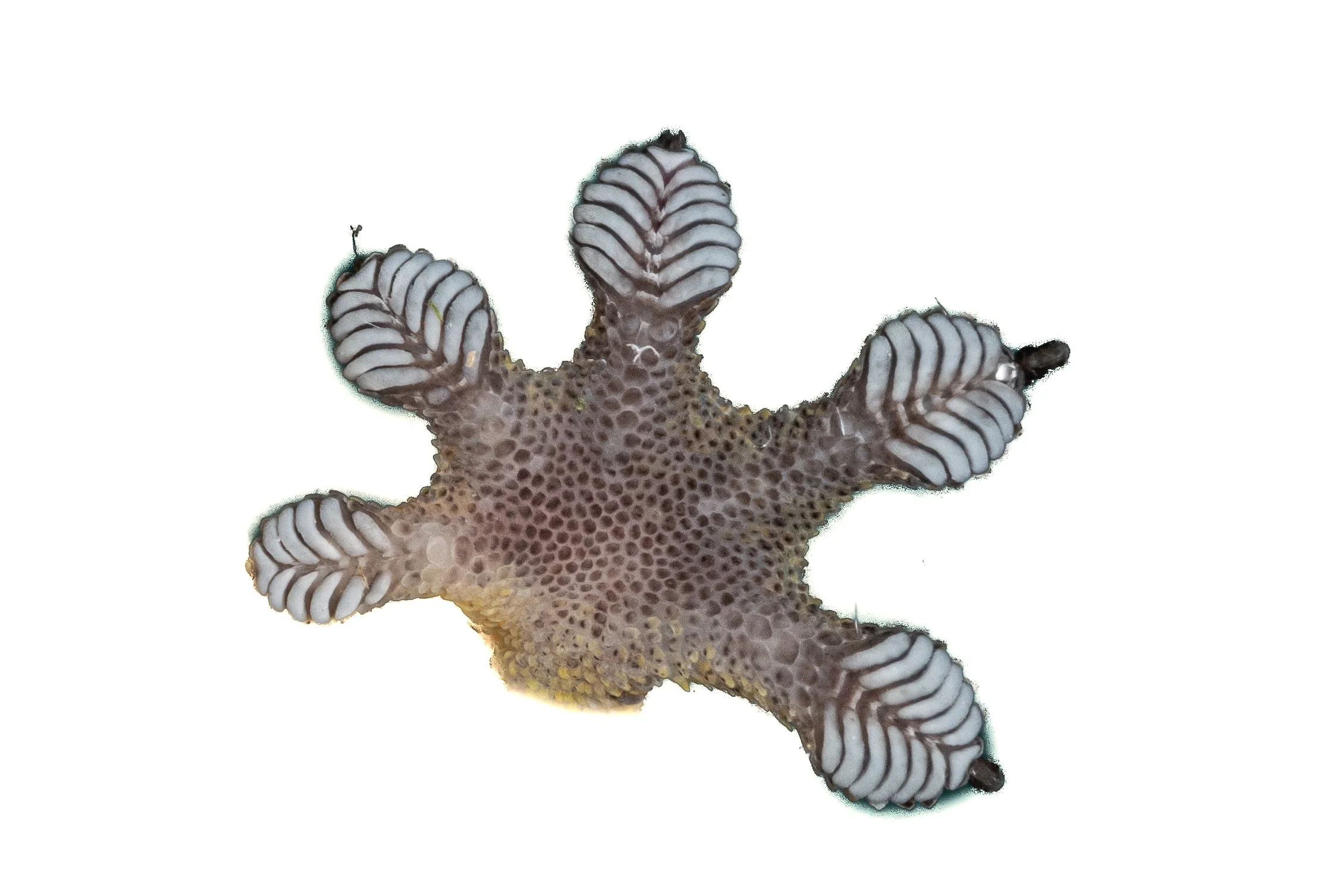
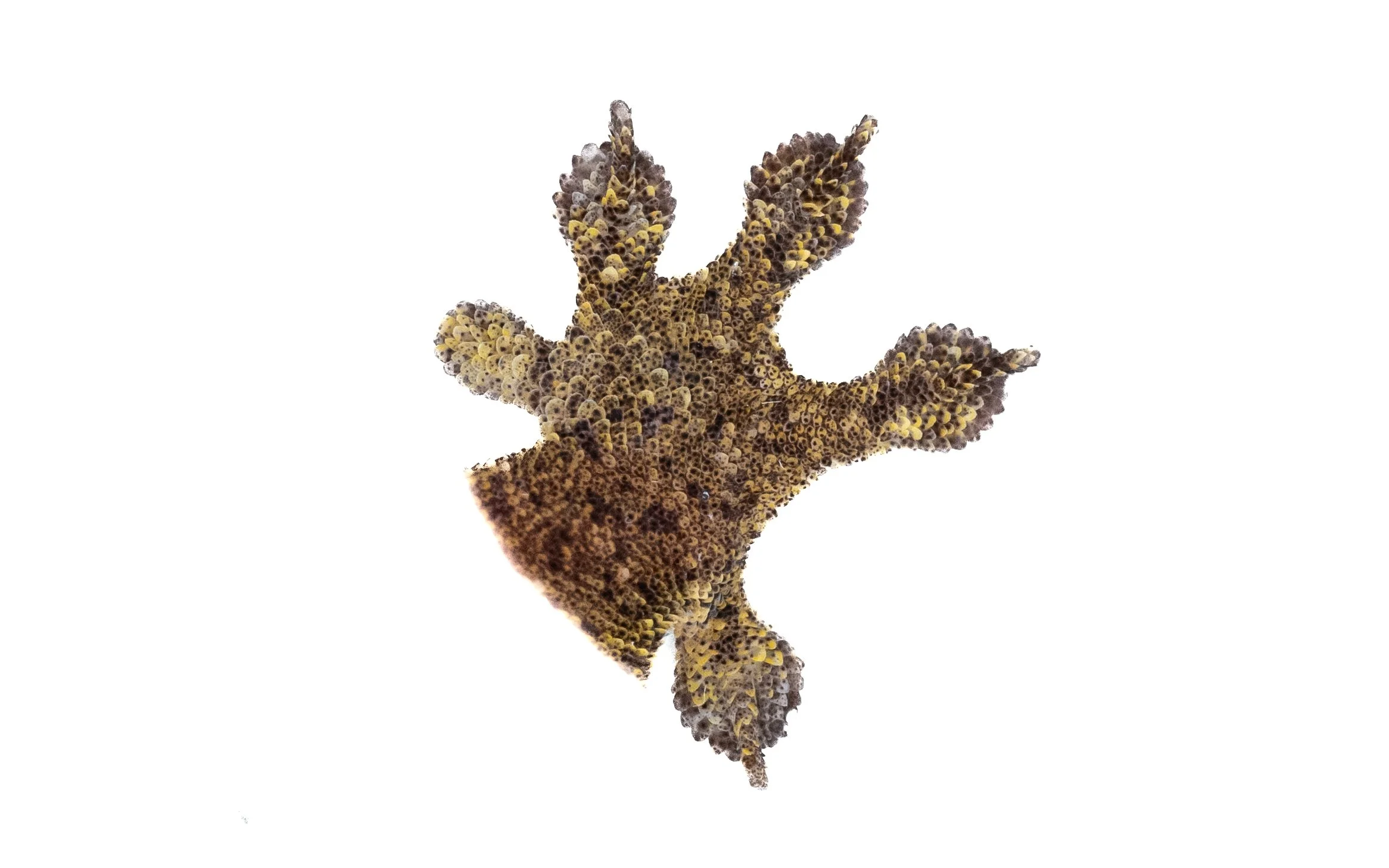
The four-clawed gecko is a slightly less common encounter in Hong Kong, though still relatively wide spread and plentiful across the territory. As indicated by its common name, the four clawed gecko is so described due to the absence of a claw at the end of the first digit on each limb, where a claw is present on the second through fifth of each remaining digit. As with other more common species, they can be found in natural habitat as well as highly populated areas, including inside homes and other man made structures. They are of average size for a Hong Kong gecko though slightly shorter and more stout in form than other species with a total length of approximately 12cm and a snout to vent length of roughly 5cm. The head is wide at the jaw, but only slightly distinct from the neck which is shorter and wider than other similar sized species. Nose is slightly more blunt and rounded than Bowring’s and Garnot’s geckos. Body is mostly uniform with only a small row of light colored spots down either side of the dorsum. Color is dark brown to light yellow with this species able to change from light to dark color. The rear limbs have skin webbing that make them appear more robust than other Hong Kong geckos of similar size. The venter is yellow from the head to the cloaca and transitioning to mottled gray on the tail.
The pads at the end of each digit are uniquely round on this species with the lamellae split. Approximately 12 to 13 lamellae on the for limbs. 11 to 12 lamellae on the first digit of the rear limb and 14 to 15 lamellae on the second through fifth digits. Claws barely extent beyond the tip of each digit, with the claw on the first digit of each limb absent as noted above. Lamellae pad count may vary slightly between individuals.
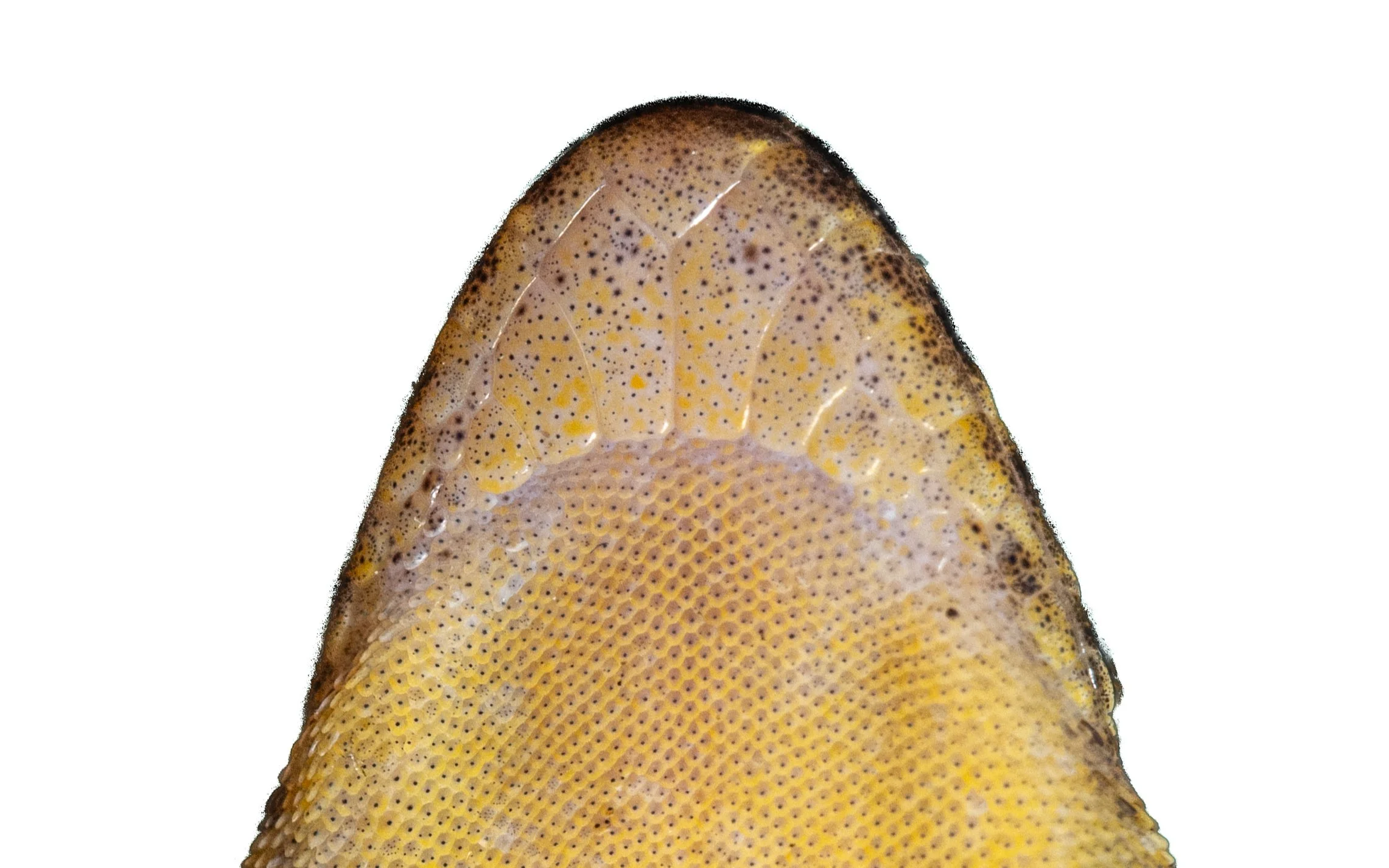
The mental shield or chin scale under the mouth large and triangular. Three pairs of mental scales arrange in a single row under the mental shield and infralabial scales.
The tail is slightly narrowed just after the cloaca then widens significantly an is laterally compressed, tapering down to the tip.
BEHAVIOR
This species is capable of establishing populations in forested and disturbed habitat as well as in populated areas. They can often be found at night on structures in country parks or climbing on walls and other structures in populated areas in search of insects and other prey.
HABITAT
This species is capable of establishing populations in forested and disturbed habitat as well as in populated areas.
MISTAKEN IDENTITY
Four-clawed geckos are not easily confused with other species in Hong Kong due to their unique generally patternless body and their more stout shape. The absence of a claw on the first digit of each limb is a key differentiator, though not easy to determine with out a detailed inspection. The generally patternless body combined with a wide highly laterally compressed tail and extra skin webbing on the rear limbs are easier features to use for determining species on simple visual inspection.