SUMMARY
PREVALENCE: Rare
ACTIVE PERIOD: Active at night
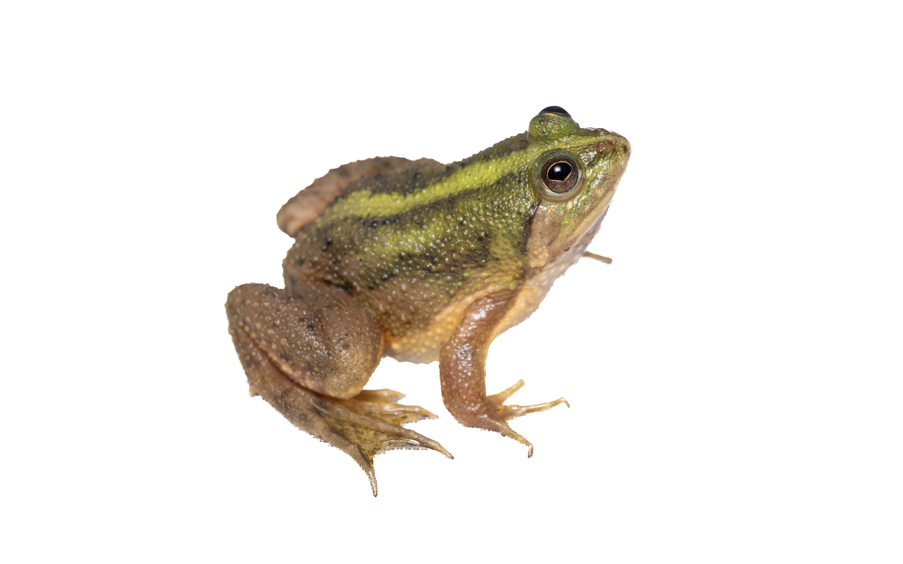
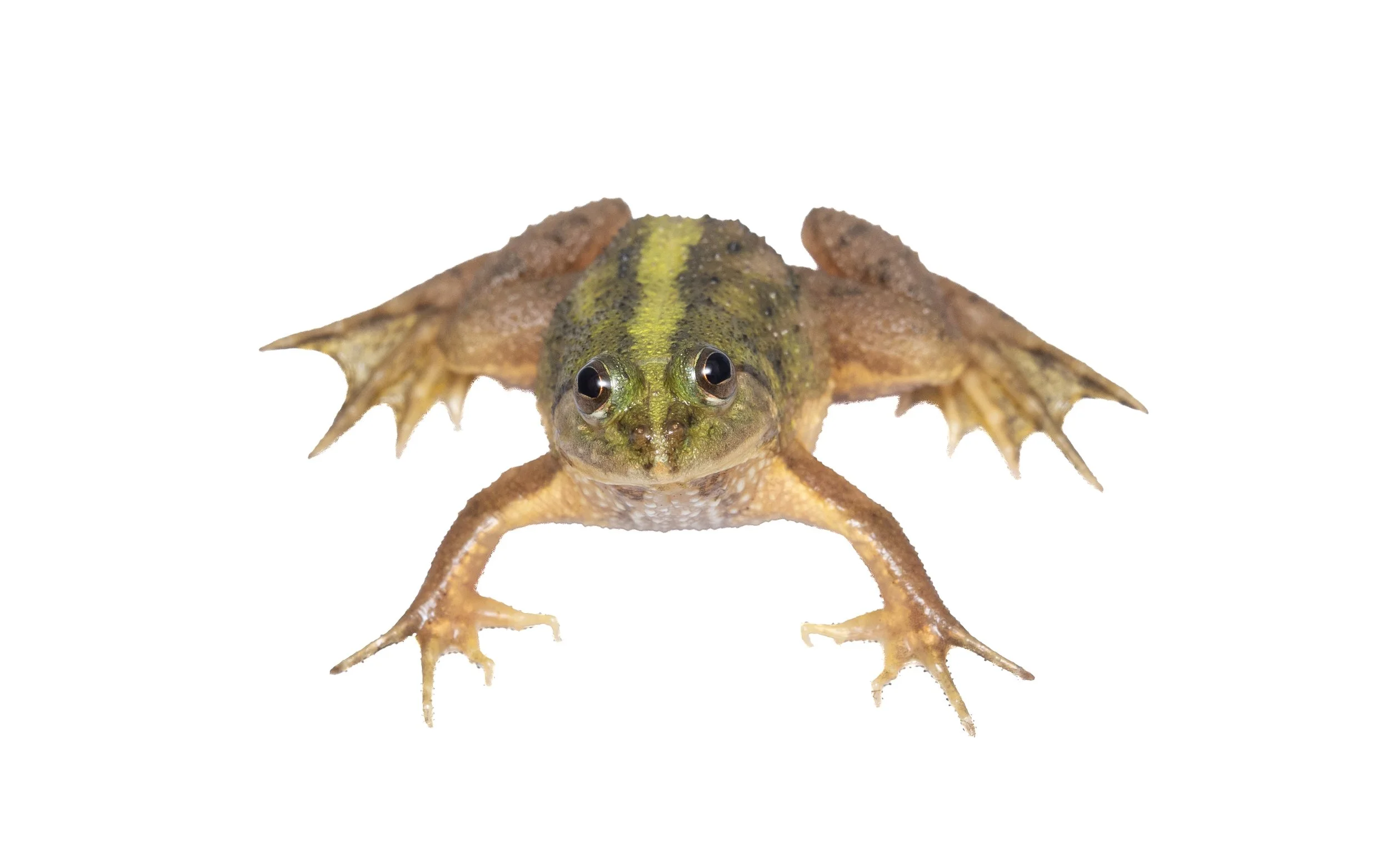
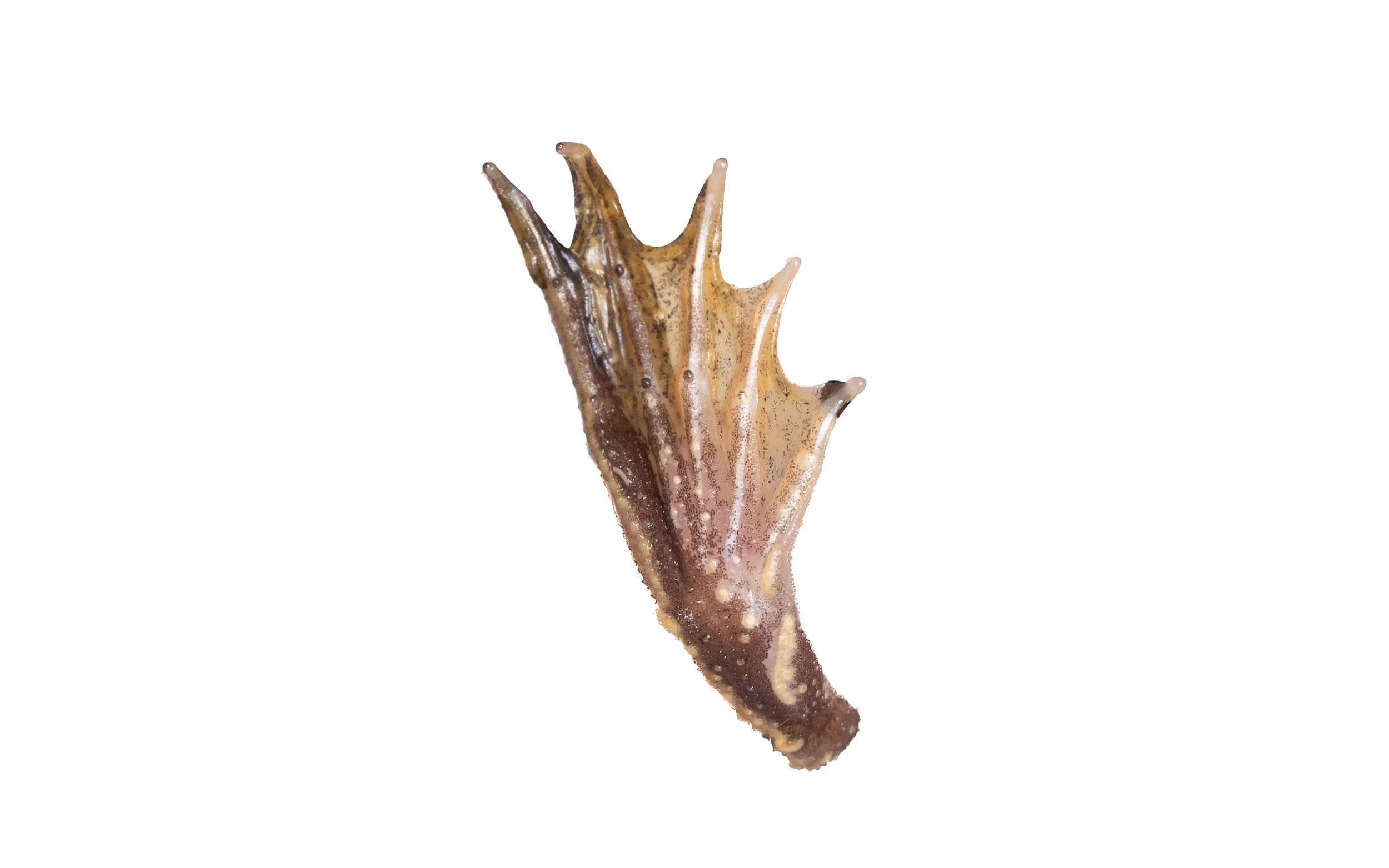
KEY ID FEATURES: Bulbous eyes protruding from top of head, highly webbed hind feet
SIZE: ~3cm
IUCN: LC - Least Concern
RANGE

GALLERY
IMPORTANT: Many frogs have significant variance in coloration and pattern even within the same species. There can also be extreme differences in appearance from juveniles to adults and some species appear very similar in maturity.
DESCRIPTION
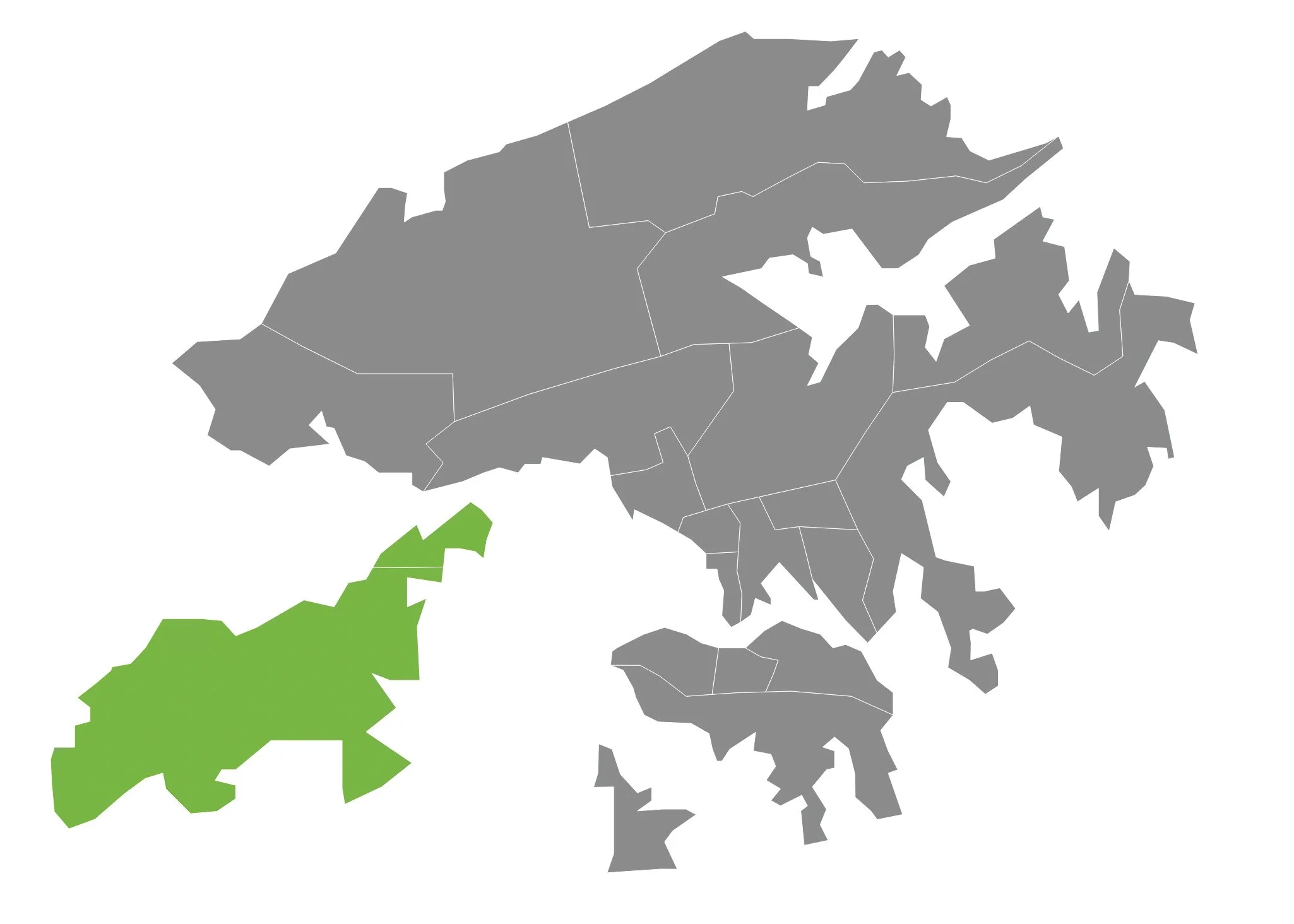
The original Chinese floating frog population in Hong Kong became locally extinct as a result of habitat loss. The current population have been reestablished in Yi O on Lantau Island as part of a management agreement project funded by the Lantau Conservation Fund and with support and field work completed by local conservationists.
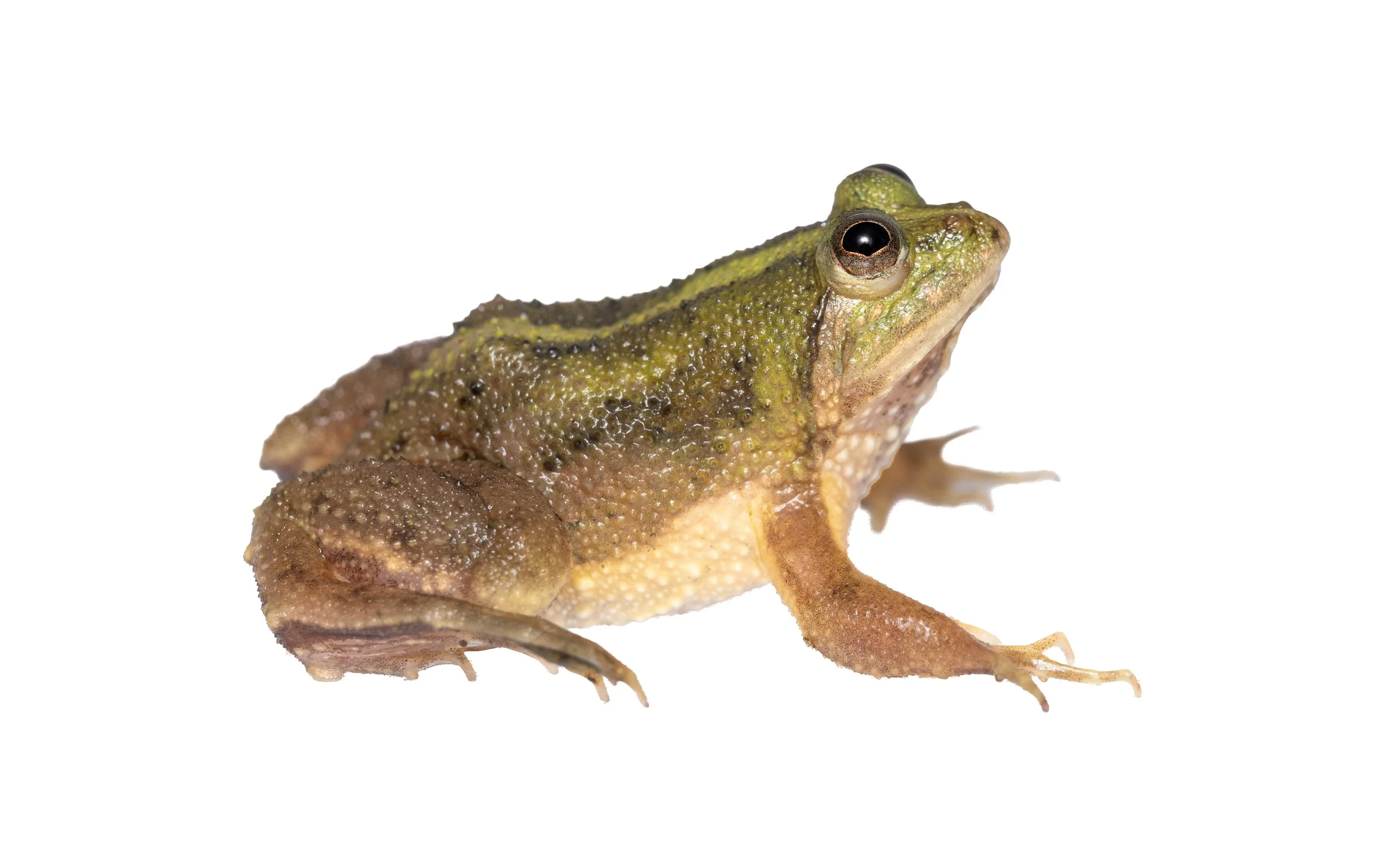
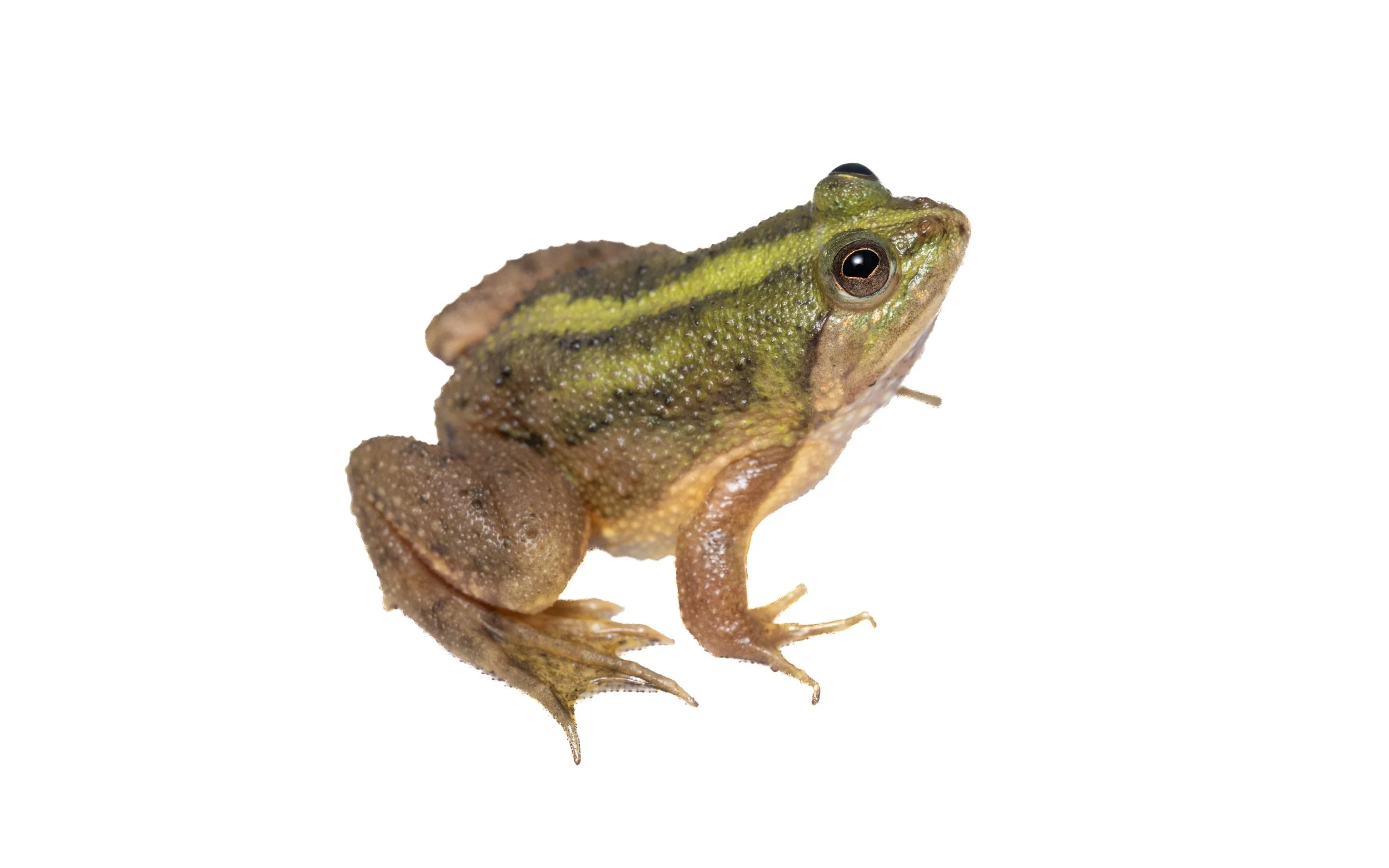
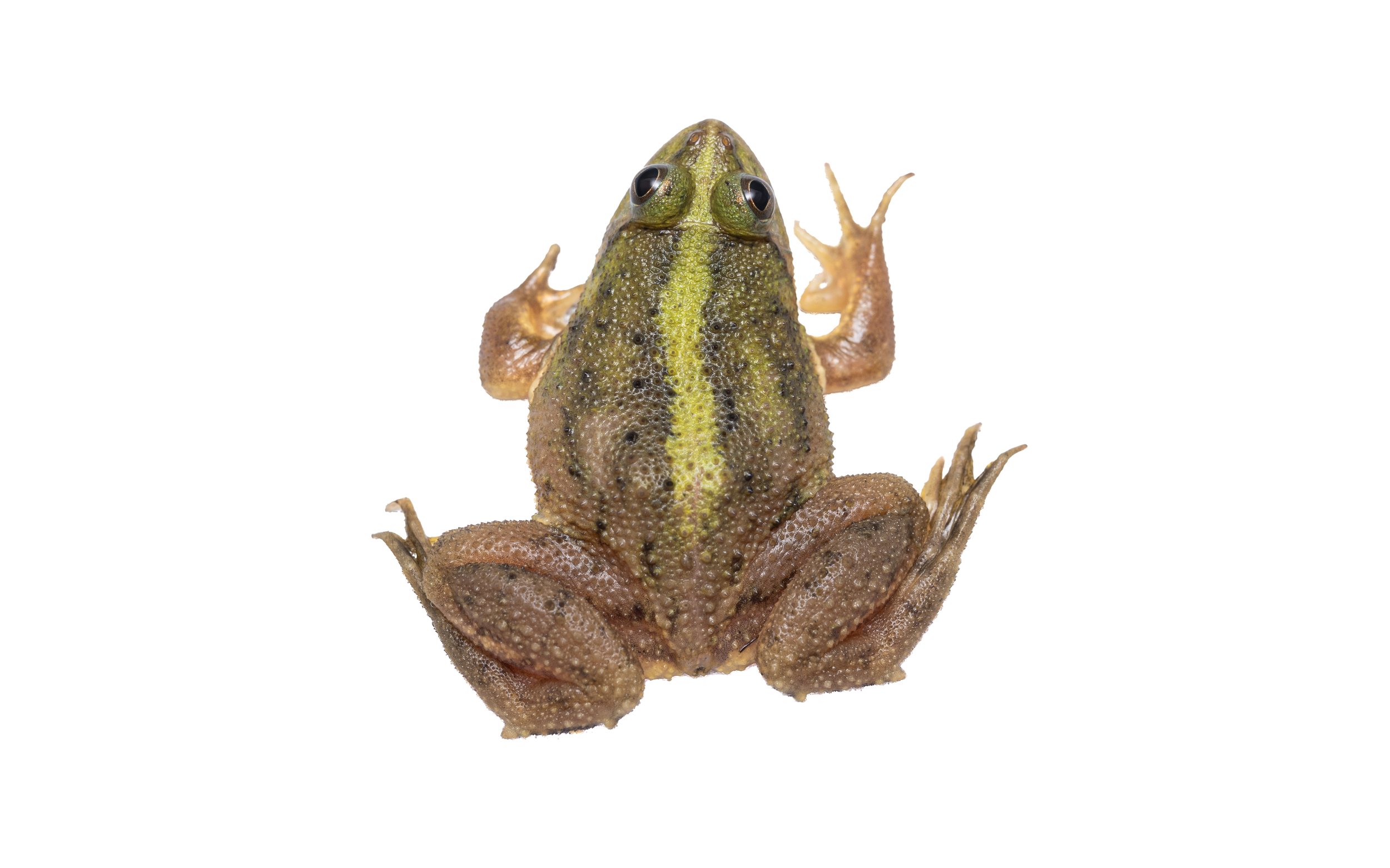
The floating frog has distinct morphology with a truncated body, short, minimally mobile forelimbs, compact fully webbed feet on the hindlimbs, and protuberant eyes positioned on top of the head allowing the frog to see out of the water while the majority of the head and body remain submerged. They can be green, grey, light brown, or yellow-brown with yellow undertones, and can also have a green or light yellow vertebral stripe. The body is covered in granules with tubercles visible on the lower flanks. The head is more narrow than the body and the snout is short and triangular. The dorsum often shows faint stripes and blotches that are a darker shade of the primary body color with a vertebral stripe common. The forelimbs are darker dorsally. Hindlimbs are covered in granules and may have widely spaced dark flecks.
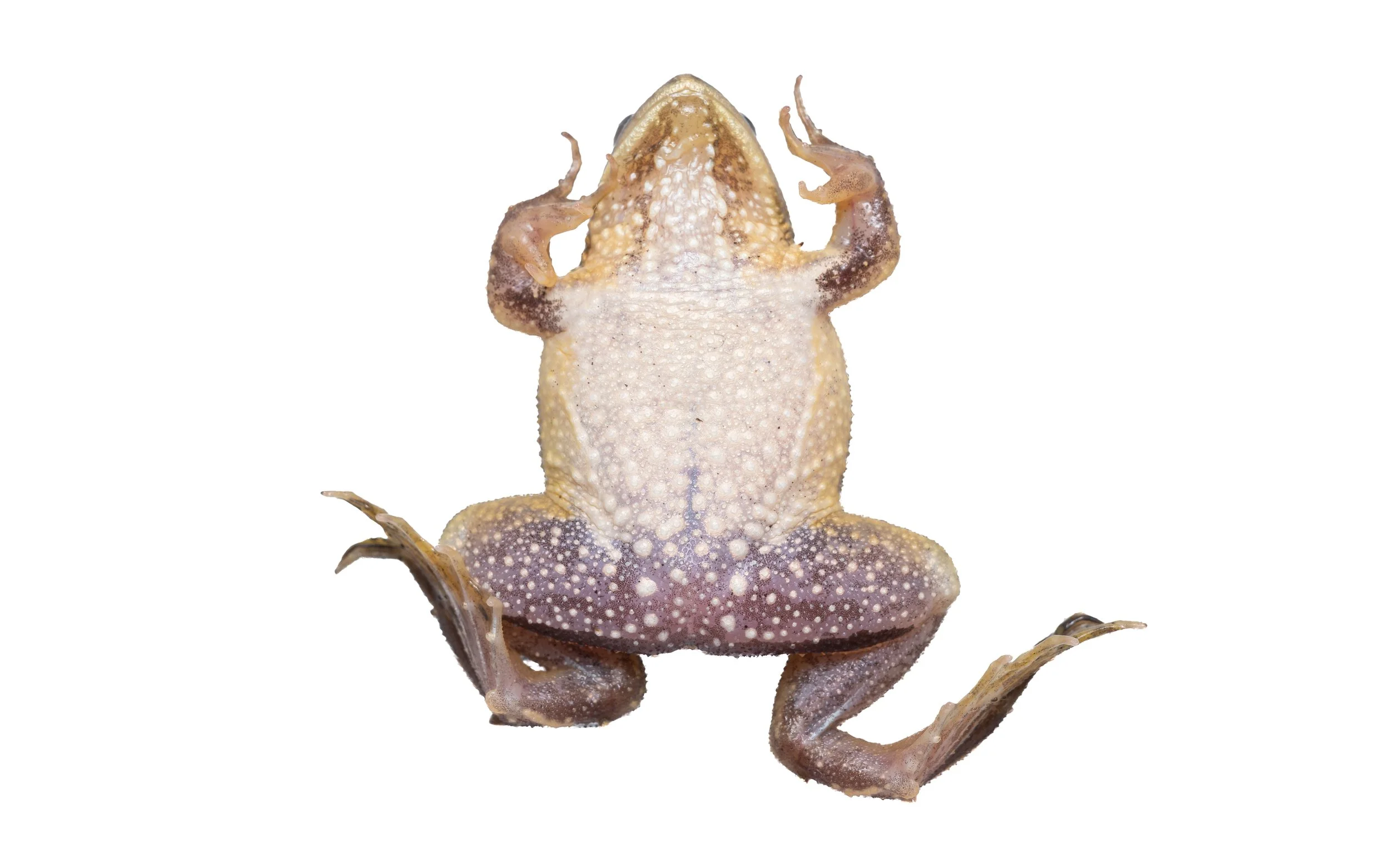
The venter is light in color, often white or light yellow on the chin and and white on the belly. The chin has dark stripes running down either side and terminating by the forelimb joints. There are densely clustered white tubercles covering the venter including under the middle of the chin, on the belly and the hind limbs. The same white tubercles form a distinct line on either side of the belly running in a curve and increasing in size and spacing, terminating on either side of the cloaca. Dark stripes can be found under the forelimbs and along the back edge of the hindlimbs. The ventral side of the hind limbs is slightly opaque and appears darker in color than the white belly and chin.
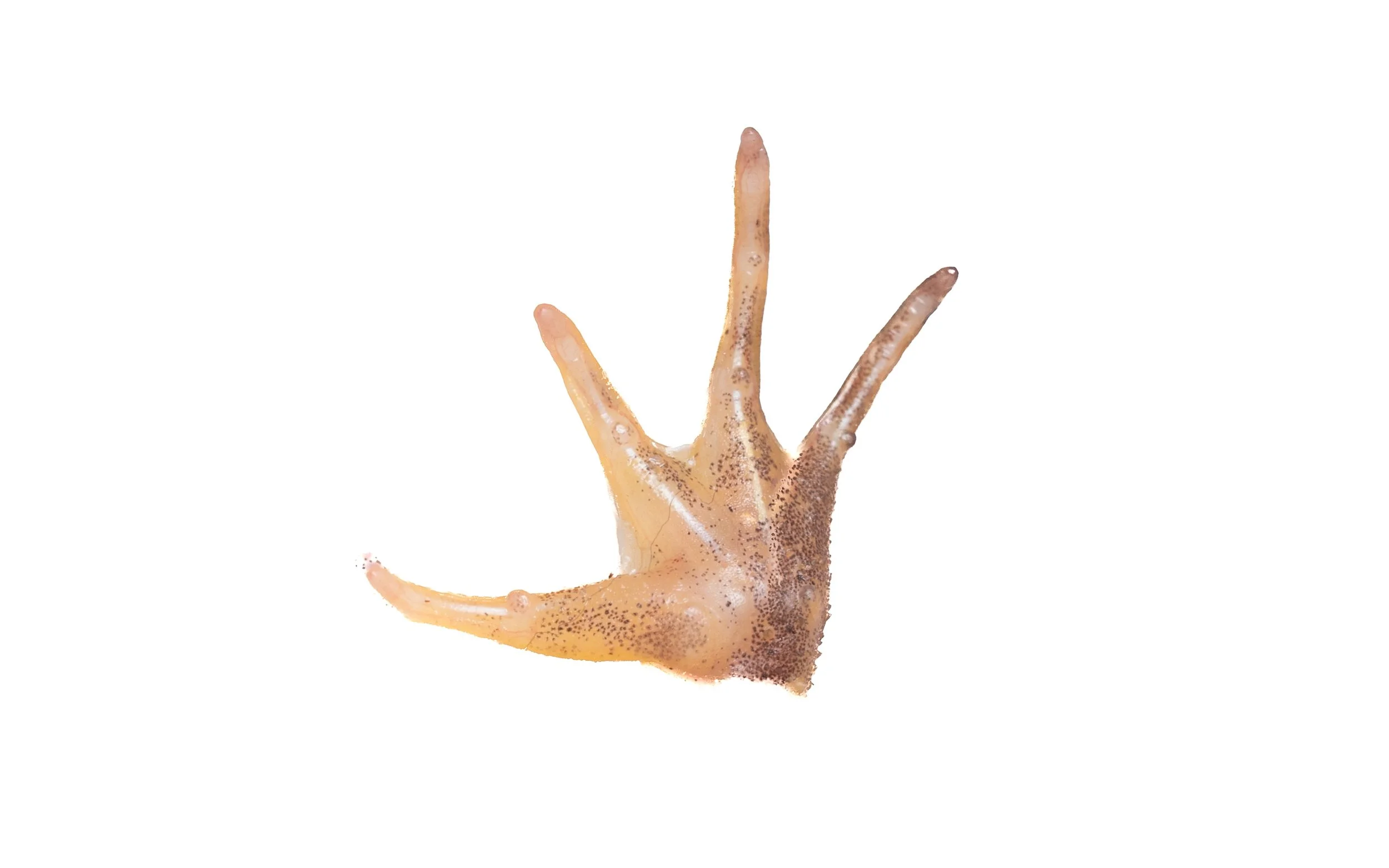
Floating frogs have fslight webbing on the hands between the first and second and second and third digit and with the second digit being proportionally shorter. Digits on the hindlimbs are completely webbed.
HABITAT
The floating frog that can now be found in Yi O well established and can be found with relative ease where they occur. They are found in muddy paddies with standing water. They can be found at night floating in the water and quickly dive down to bury in mud and grass when disturbed.
MISTAKEN IDENTITY
The Chinese floating frog is a very distinct species with unique morphology and a highly restricted distribution. As a result it is not easily confused with most of the other species in Hong Kong. It can be confused with the rough-skinned floating frog with the most reliable differentiator being the locality where they are found and the slightly longer more pointed snout. The most distinguishing features compared to all other frogs are the bulbous eyes positioned on top of the head and the truncated body, along with the unique arrangement of tubercles on the venter and extensive webbing on the feet.