SUMMARY
PREVALENCE: Rare
ACTIVE PERIOD: Nocturnal
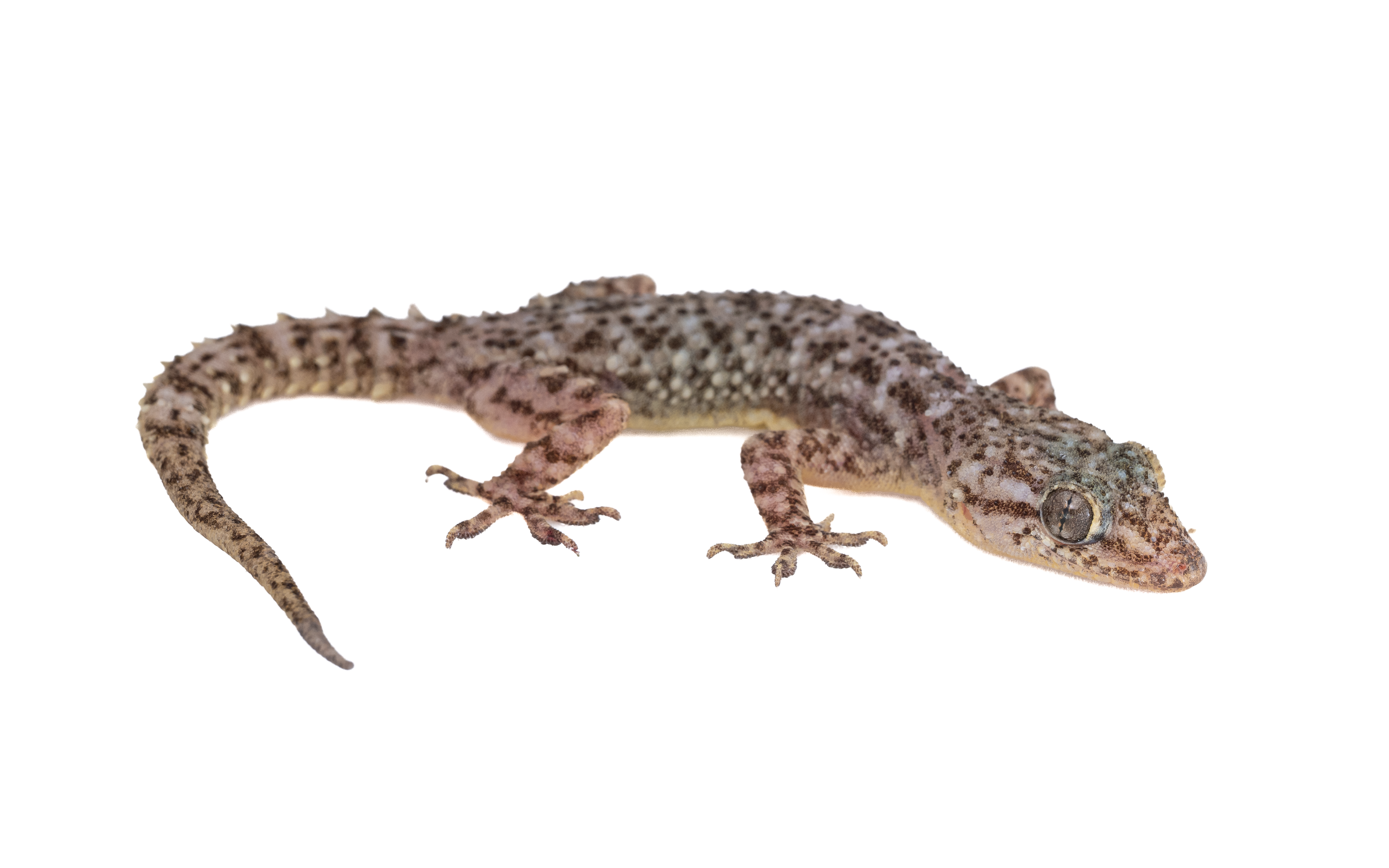
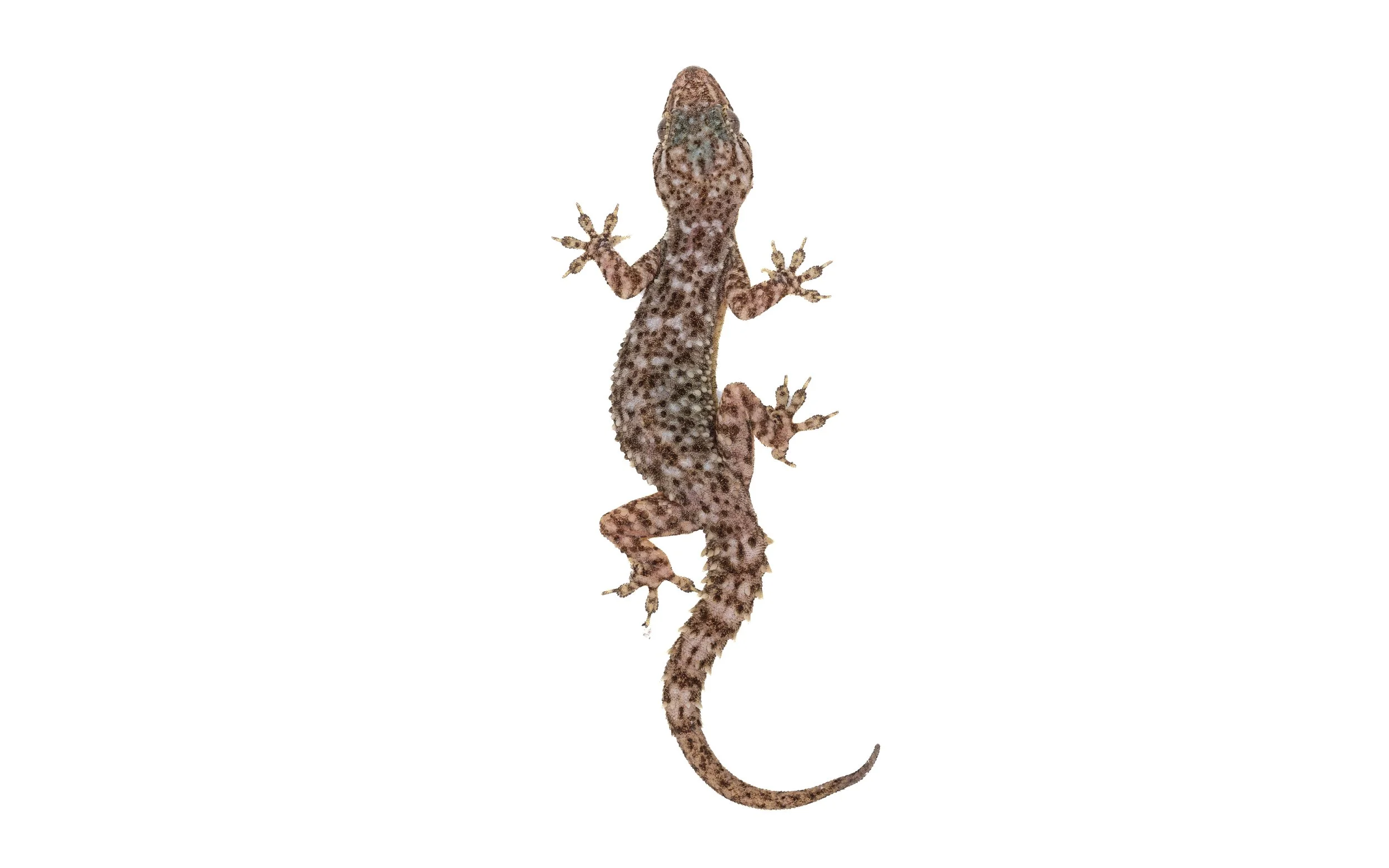
KEY ID FEATURES: Body covered in conical tubercles, especially pronounced on the tail
BEHAVIOR: Found on walls, underside of roofs and overhangs
SIZE: 13cm
IUCN: LC - Least Concerned
RANGE

GALLERY
IMPORTANT: Many geckos look similar and require experience to identify. Geckos and skinks also drop their tails readily if handled which is a stressful and energy intensive issue, so great care should be taken when interacting with lizards in Hong Kong.
DESCRIPTION
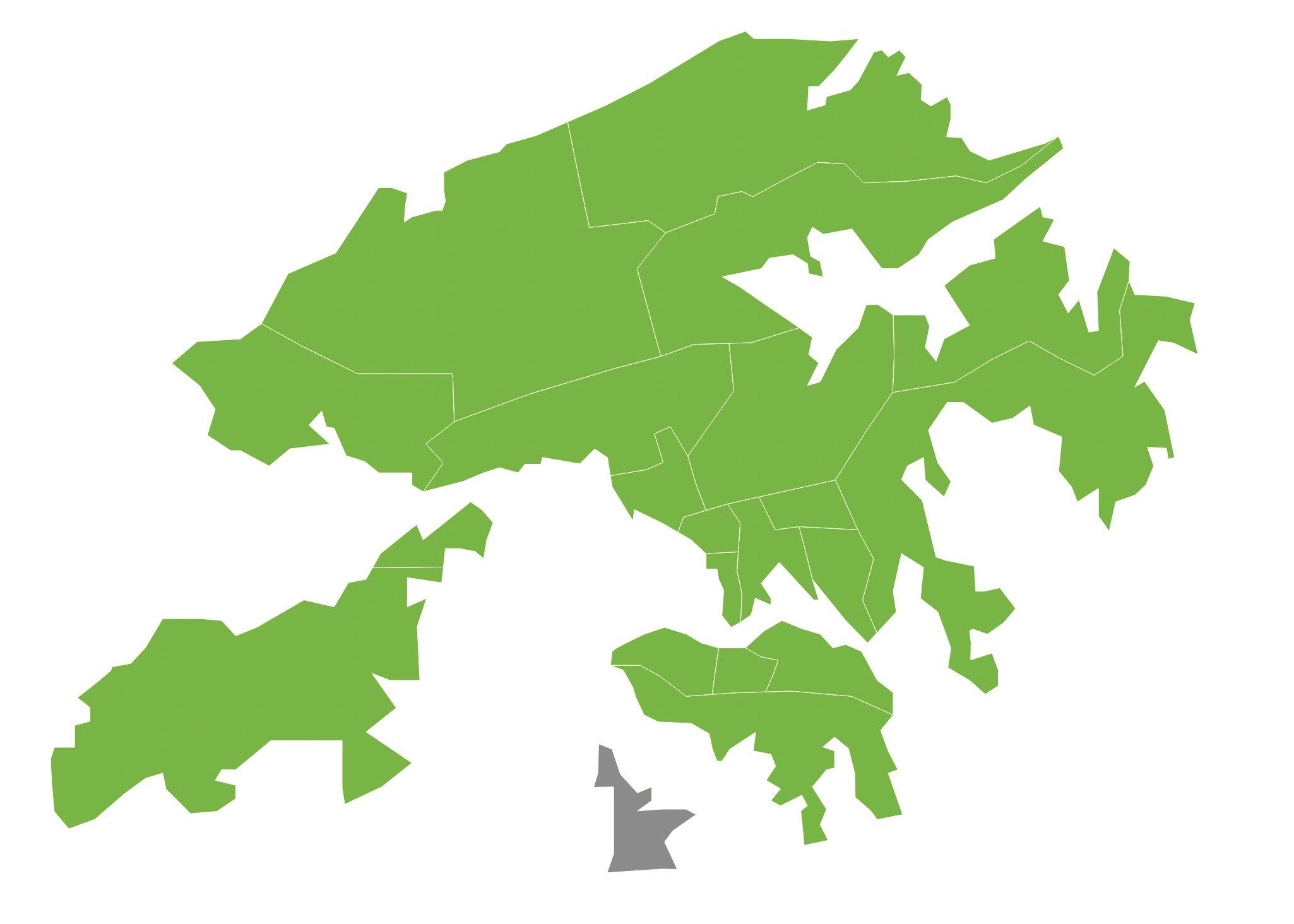
Brook’s gecko is an uncommon species to encounter in Hong Kong owing to the fact that it is assumed to have been introduced with first records from an urban location in the 1970’s. It’s current distribution, though growing is still limited to a few discrete locations.
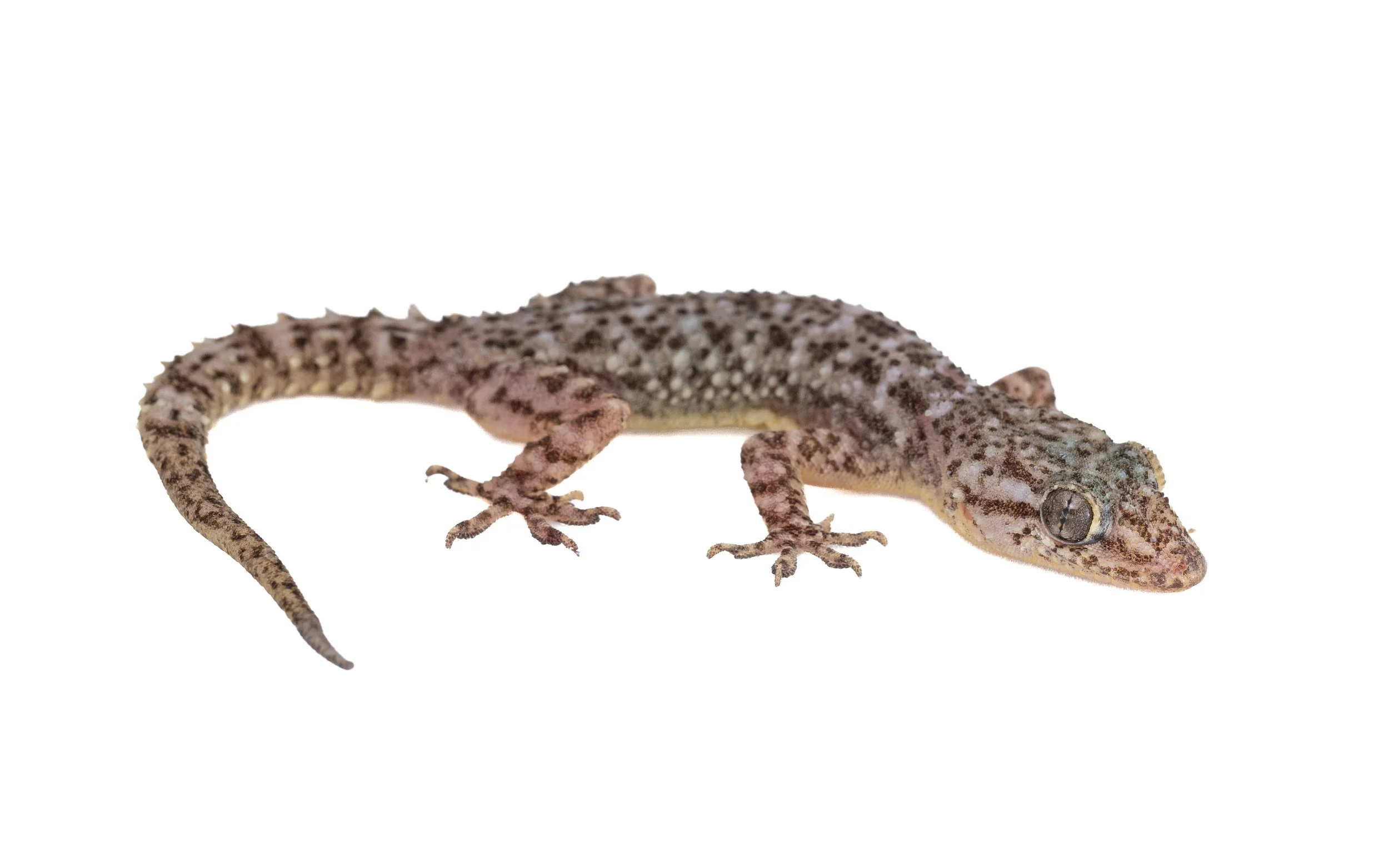
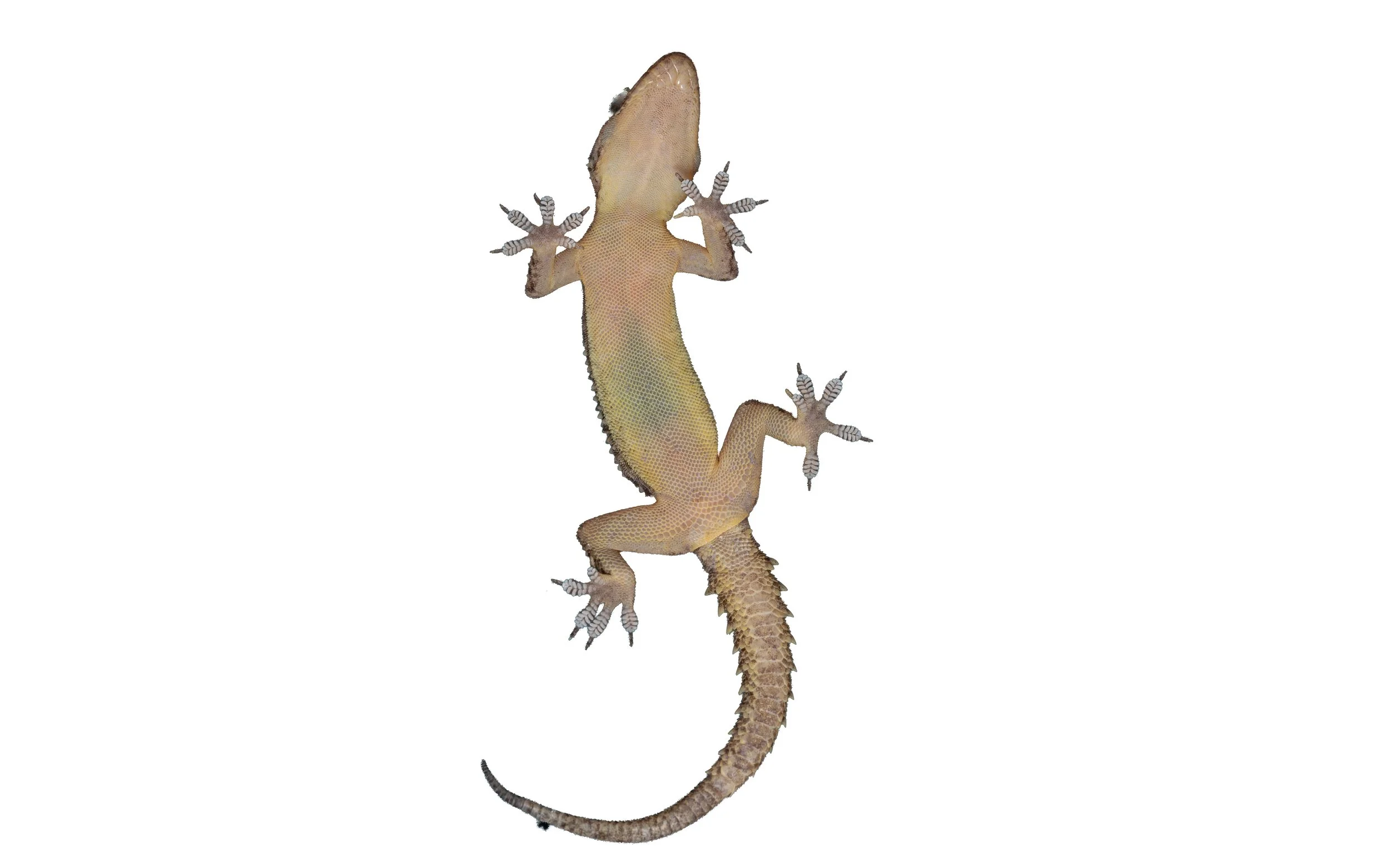
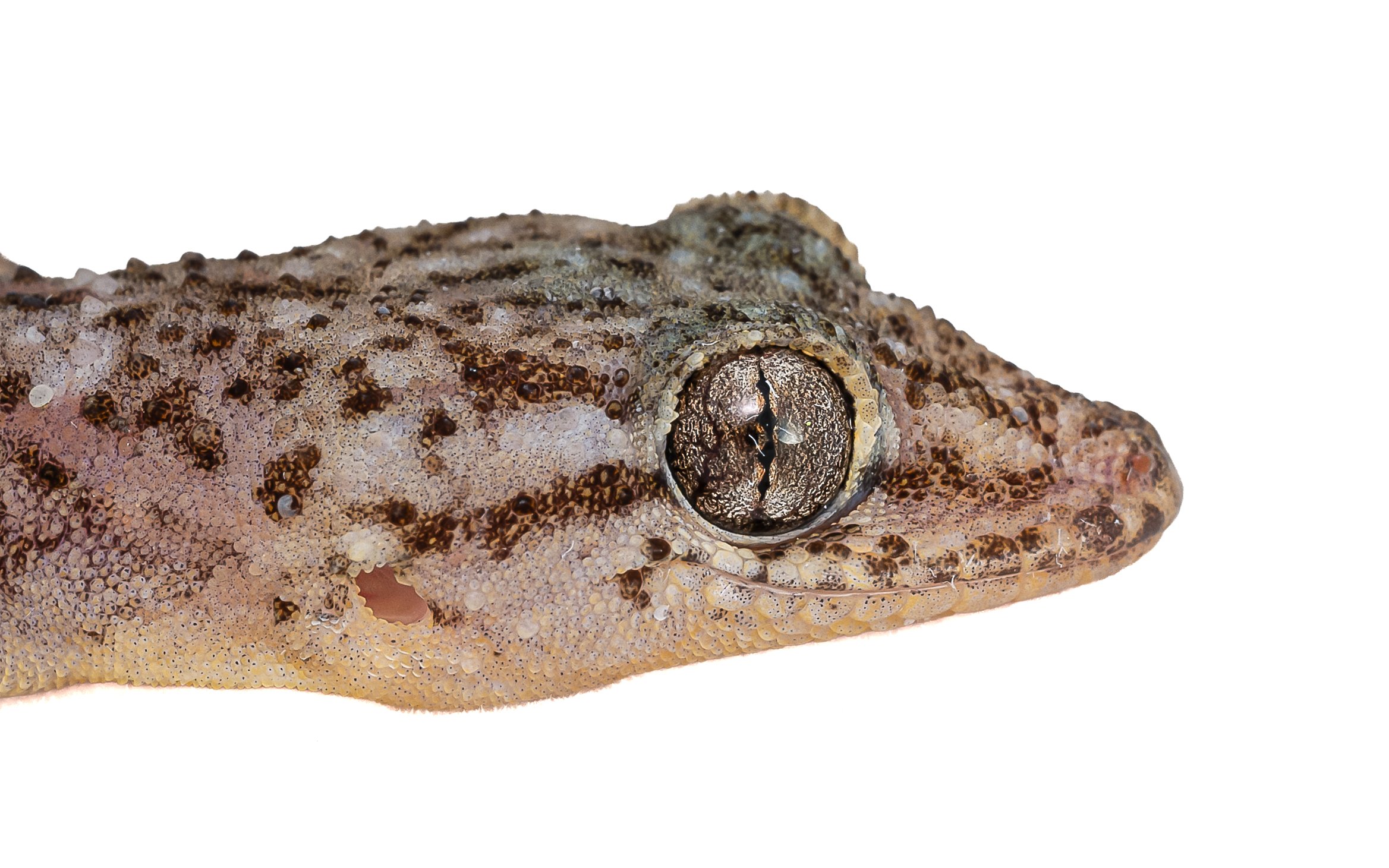
They are average size for a Hong Kong gecko with a slightly more robust build than Gernot’s, Bowring’s and Chinese geckos, but rarely exceeding 15cm in total length with a snout to vent length of around 6cm. Head is slightly wider at the jaw and blunter at the nose than Bowring’s and Garnot’s geckos. Brook’s geckos often have two black lines radiating out from behind the eye and terminating at the back of the jaw. The body is covered in black blotches on blue gray colored base. The markings are less obvious when the animal changes to lighter coloration, which this and other species in Hong Kong are capable of doing. The most distinct feature of this species are the enlarged tubercles covering the animal from the back of the head, down the body and the length of the tail, though they are absent if the tail has been regenerated. The venter is most commonly a light yellow from under the head down the length of the tail, with some black mottling towards the tail tip.
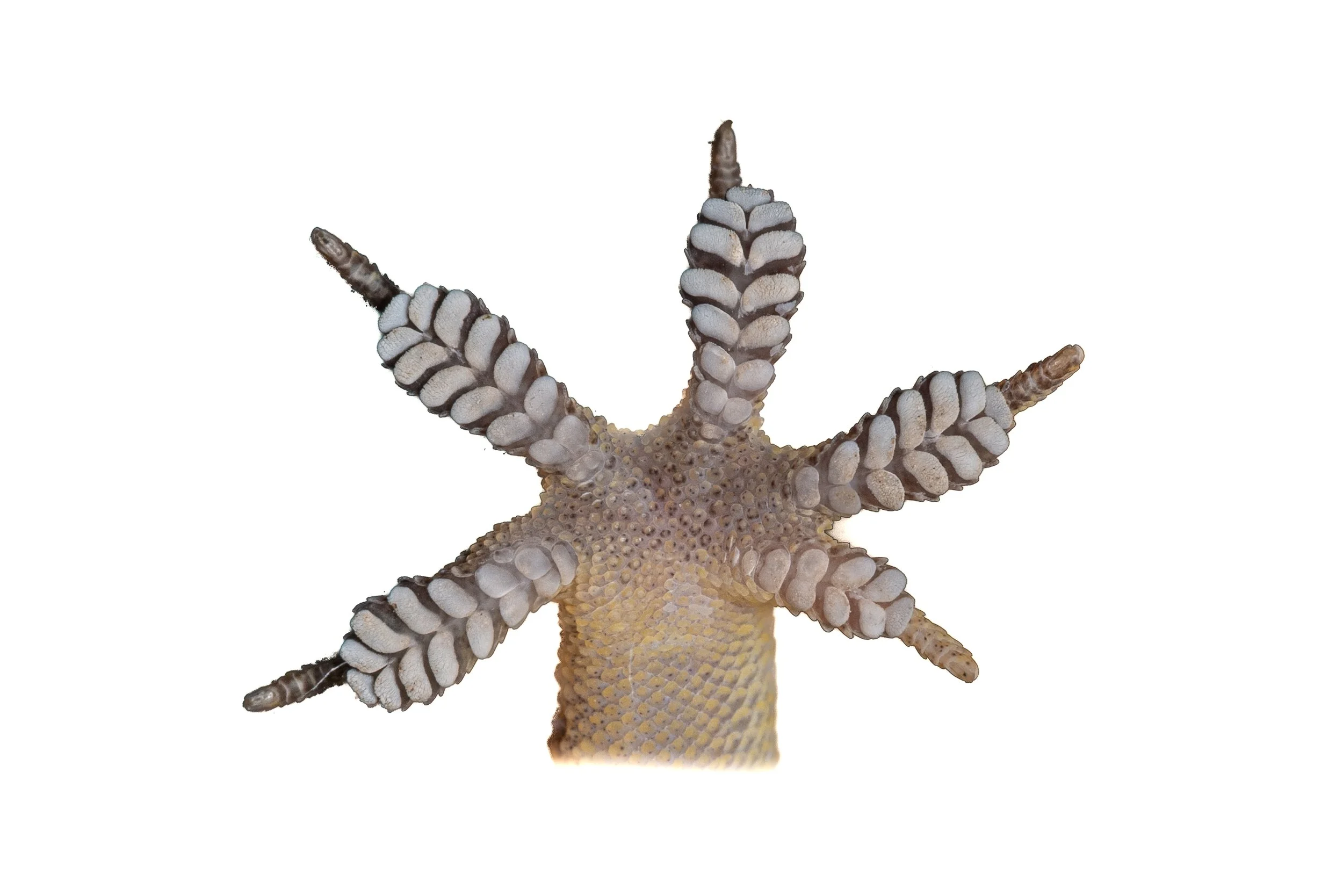
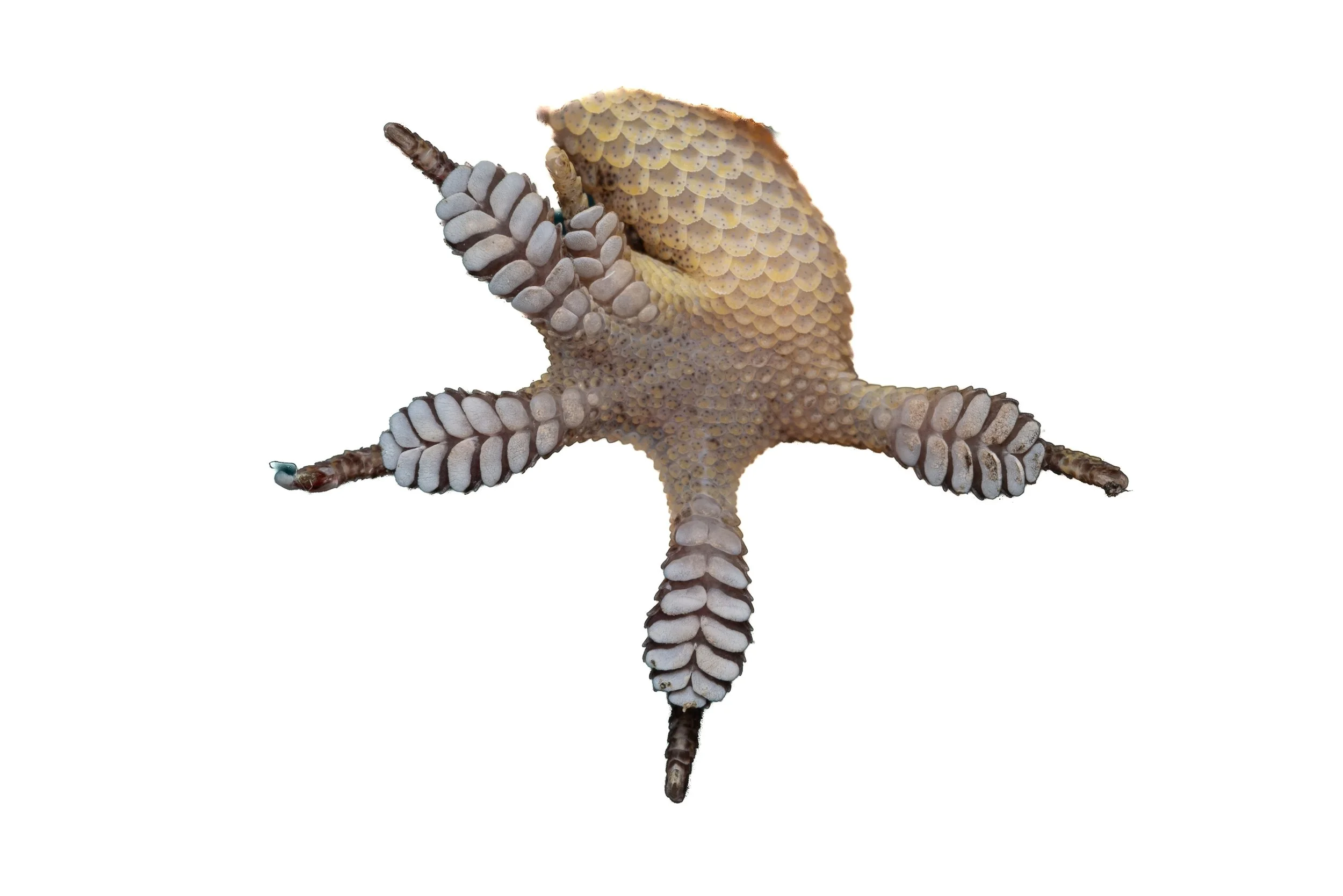
The pads or “Lamellae” on the for and rear limbs are divided on all digits with claws extending beyond the end most lamellae, also on each digit. Brook’s geckos in particular show claws extending much further past the last lamellae than any other gecko species in Hong Kong. Approximately 13 to 14 lamellae on the third, fourth and fifth fore limb digits, 12 on the second, and 9 on the first. Approximately 14 lamellae on the second to fourth digits of the rear limb, approximately 12 on the fifth and 8 on the first. Lamellae pad count may vary slightly between individuals.
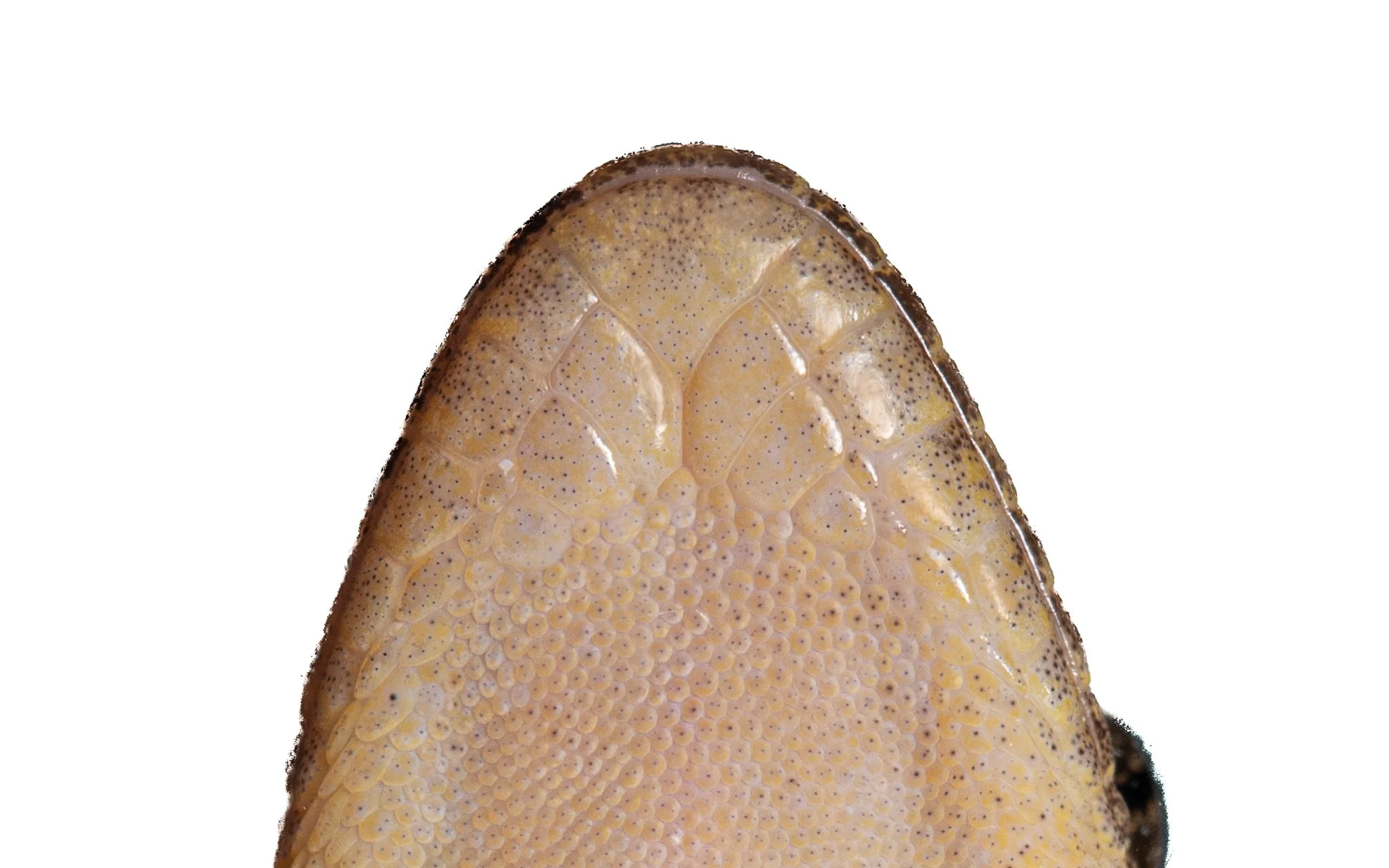
The mental shield or chin scale under the mouth is large and triangular. Three pairs of mental scales with the first two in contact and second and third pair separated.
The tail is slightly narrow just after the cloaca then widens thereafter before tapering again toward the tip.
BEHAVIOR
This species is known mostly to have established populations in a small number of built up areas or on man made structures in more natural habitat with limited distribution, where they feed on small insects and other properly sized prey opportunistically. It is worth note that populations of Brook’s geckos often occur in absence of other species of gecko despite adjacent areas hold populations, possibly indicating a propensity for Brook’s geckos to out compete or attack separate species.
HABITAT
Brook’s geckos were originally identified on the premises of a school on Hong Kong Island in the 1970’s with several newly identified populations cropping up in subsequent years including on Lantau, New territories and near Macau.
MISTAKEN IDENTITY
Although roughly similar in size and general proportions to Bowring’s, Garnot’s and Chinese geckos, Brook’s geckos have a distinct appearance due to their highly pronounced tubercles that cover the back of the head, body and tail. The chin shield and mental scale configuration is also unique to other geckos of similar size, along with the elongated claws.